



Choosing where to get treatment for opioid addiction can be a stressful decision. You might feel worried about where you can turn for help and how to get started in your journey to recovery in Eastern Ohio.
The opioid epidemic has touched nearly every corner of our state, from the busy cities of Akron and Canton to the quiet rural communities of Eastern Ohio. If you or a loved one is struggling with opioid use disorder, knowing where to turn is the first step toward recovery.
The Bluffs, located in Sherrodsville, Ohio, offers 24/7 medical detox in a highly supervised environment with licensed health care professionals.
Comprehensive, evidence-based opioid addiction treatment in Eastern Ohio offers a chance for stability, health, and long-term sobriety. Whether you are seeking immediate medical detox or a structured residential program, understanding your options empowers you to make the best decision for your future.
Why Opioid Treatment Matters Near Akron and Canton
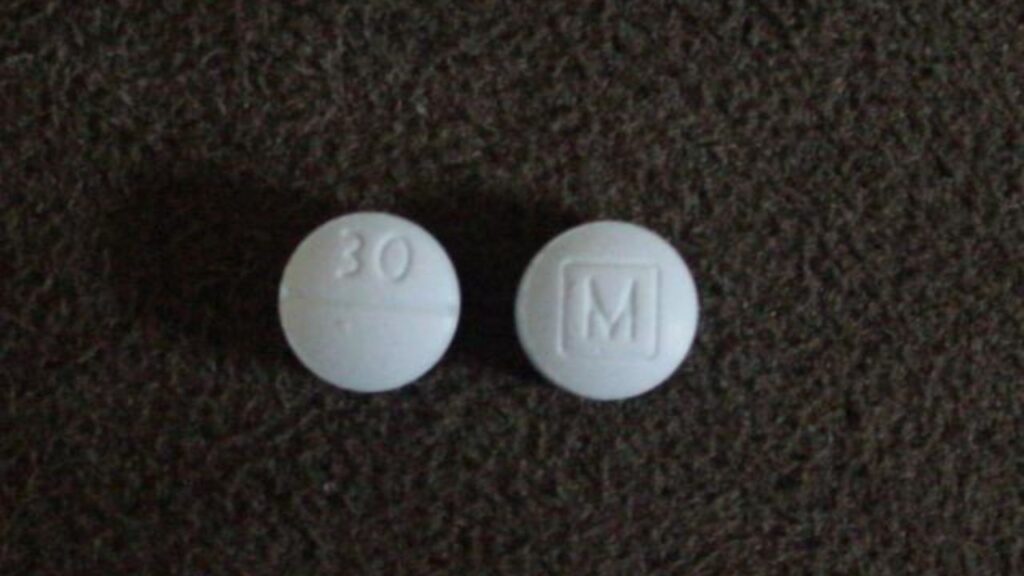
Opioids are a class of drugs that include illegal substances like heroin, synthetic opioids such as fentanyl, and prescription pain relievers like oxycodone and hydrocodone. While these medications are often prescribed for pain management, they carry a high risk of dependence and addiction.
Opioid use disorder (OUD) is a chronic medical condition, not a moral failing. Prolonged use changes the brain’s chemistry, making it incredibly difficult to stop using without professional help. Comprehensive treatment addresses these physical changes while providing the psychological tools needed to maintain recovery.
Who Benefits from Treatment?
Anyone whose life is negatively impacted by opioid use can benefit from professional treatment. You might consider seeking help if you recognize these signs:
- Taking opioids in larger amounts or for longer than intended.
- Unsuccessful efforts to cut down or control use.
- Spending a great deal of time obtaining, using, or recovering from the drug.
- Cravings or a strong urge to use opioids.
- Failure to fulfill obligations at work, school, or home due to use.
- Continued use despite having persistent social or interpersonal problems.
What To Expect in Treatment
Entering a recovery program is a brave step. Knowing what lies ahead can reduce anxiety and help you prepare for your recovery. Most comprehensive programs follow a structured pathway designed to ensure safety and promote healing.
Assessment and Intake: Upon arrival, you will typically undergo a thorough clinical and medical assessment. This helps the care team understand your substance use history, medical health, and any co-occurring mental health conditions. This information is used to create a personalized treatment plan tailored to your specific needs.
The first stage of recovery is medical detox. Withdrawal from opioids can be physically uncomfortable and emotionally taxing. A medically supervised detox ensures you remain safe and as comfortable as possible. Medical staff monitor your vitals 24/7 and may administer medications to alleviate withdrawal symptoms.
For more information, visit The Bluffs’ About Us page.
What Happens in Detox at The Bluffs
The Bluffs offers a five-step process to detox when a patient enters the center.
Step 1: Call and receive a quick benefits check: An admissions coordinator will verify insurance and walk you through the next steps.
Step 2: Arrival and assessment: Patients arriving at The Bluffs are medically evaluated and have a personal conversation about your history, goals, and concerns that are then tailored to your individual plan.
Step 3: Stabilization and comfort care: The clinical team at The Bluffs monitors vital signs, manages withdrawal symptoms, and may use medication for treatment. The team sets you up with a hydration and nutritional plan with a dietitian.
Step 4: Emotional Support: While detox can be physically and emotionally draining, the staff at The Bluffs is ready to provide encouragement, support, and practical listening skills.
Step 5: Your Next Right Step: Detox is only the beginning of your recovery from opioid addiction. The staff at The Bluffs maps out a treatment plan that includes Medication-Assisted Treatment (MAT) and evidence-based therapies.
Clinical Care in Sherrodsville, Ohio
Effective opioid addiction treatment relies on evidence-based practices. At leading facilities, you will find a blend of medical and therapeutic interventions designed to treat the whole person.
Medication-Assisted Treatment
Medication-Assisted Treatment (MAT) is the gold standard for treating opioid use disorder. It involves the use of FDA-approved medications, such as buprenorphine or naltrexone, in combination with counseling and behavioral therapies. These medications normalize brain chemistry, block the euphoric effects of alcohol and opioids, and relieve physiological cravings.
Evidence-based therapy is crucial for understanding the root causes of addiction and developing coping strategies. Common therapeutic modalities include:
Cognitive Behavioral Therapy
Cognitive Behavioral Therapy (CBT) is a structured, evidence-based form of psychotherapy that focuses on the intricate connection between thoughts, feelings, and behaviors. In the context of addiction treatment, CBT operates on the principle that harmful actions, such as substance abuse, often stem from negative or irrational thinking patterns rather than external events alone.
Dialectical Behavior Therapy
Dialectical Behavior Therapy (DBT) is an evidence-based form of psychotherapy that focuses on balancing acceptance of one’s current reality with the change needed to overcome destructive behaviors. Originally designed to treat intense emotional volatility, it operates on four core modules: mindfulness, interpersonal effectiveness, distress tolerance, and emotion regulation. The Bluffs utilizes DBT to teach patients distress tolerance and emotional regulation. They integrate this therapy into both individual and group settings as part of a comprehensive treatment plan for substance use and co-occurring mental health disorders (dual diagnosis).
Eye Movement Desensitization and Reprocessing
Eye Movement Desensitization and Reprocessing (EMDR) is a form of psychotherapy designed to help people process and heal from the symptoms of emotional distress and trauma. In the context of addiction, EMDR is used to address the underlying trauma that often fuels substance abuse, as well as to reduce the intensity of cravings by desensitizing the vivid mental imagery associated with drug use. The therapy typically involves a patient focusing on a traumatic memory or a craving-inducing image while simultaneously following a therapist’s hand movements (or other forms of bilateral stimulation like tapping or sounds) with their eyes. This process is believed to help the brain reprocess the memory, stripping away its intense emotional charge and allowing the patient to integrate it in a healthier way.
The Bluffs uses EMDR as a key component of their addiction treatment program, particularly for patients with a history of trauma or co-occurring mental health disorders (dual diagnosis).
- Targeting Root Causes: They use EMDR to help patients process the negative beliefs and feelings associated with traumatic events that may have led to or exacerbated their opioid addiction. This allows patients to heal without necessarily having to verbally relive every detail of their trauma, which can be helpful for those who find traditional talk therapy difficult.
- Integrated Care: At The Bluffs, EMDR is not a standalone treatment but is integrated with other therapies like Cognitive Behavioral Therapy (CBT) and Dialectical Behavior Therapy (DBT). Referrals for EMDR can begin as early as intake and continue through detox and residential treatment.
- Desensitization of Triggers: Therapists at The Bluffs may also use EMDR techniques to desensitize patients to specific triggers or symptoms they want to eliminate, helping to reduce the risk of relapse.
Co-Occurring Disorders
Also known as dual disorders, co-occurring disorders can be present when opioid addiction occurs alongside mental health issues like anxiety, depression, or trauma-related disorders.
Clinicians at The Bluffs are trained to help those with co-occurring disorders. The team’s comprehensive approach includes thorough medical and clinical exams and a plan individualized to every patient.
Your Continuum of Care for Opioid Addiction in Eastern Ohio
Recovery is not a race, and the length of care varies for each individual. Research suggests that longer engagement in treatment is often associated with better outcomes. A standard residential stay may last 30 to 45 days, but many individuals benefit from longer programs.
The Bluffs offers a holistic approach that lasts from when you enter the facility to when you leave.
- Medical Detox: Acute stabilization (usually 5 to 7 days).
- Inpatient/Residential Rehab: 24-hour care and intensive therapy.
- Partial Hospitalization (PHP) or Intensive Outpatient (IOP): Structured therapy while living at home or in sober housing.
- Aftercare: Ongoing support groups and alumni networks.
Discharge planning begins the moment you arrive. An expansive aftercare plan is essential for maintaining sobriety once you return home. This may include connecting you with outpatient providers, sober living homes, or community support groups.
How You Can Pay for Opioid Addiction Treatment in Eastern Ohio
Cost should not be a barrier for seeking addiction treatment. Under federal parity laws, most commercial health insurance plans and state Medicaid programs are required to cover mental health and substance use disorder services comparable to medical and surgical coverage.
Most reputable centers in Ohio accept major commercial insurance providers. It is important to verify your benefits early to understand your deductibles and out-of-pocket maximums.
You can check your coverage quickly and confidentially by visiting our insurance verification page.
How Can You Compare Opioid Addiction Treatment Near Akron, Ohio
Not all treatment centers are created equal. When evaluating opioid addiction treatment in Ohio, look for these indicators of quality:
- Accreditation: Look for The Joint Commission Gold Seal of Approval or CARF accreditation.
- Licensing: Ensure the facility is licensed by the state of Ohio.
- Clinical Staff: The team should include master’s-level therapists, licensed nurses, and physicians.
- Customized Care: Look for individualized treatment plans.
- Dual Diagnosis Capable: The program should be equipped to treat co-occurring mental health disorders like anxiety or depression alongside addiction.
Why Families Choose The Bluffs
At The Bluffs, we combine clinical excellence with a focus on safety and comfort. The center’s program is designed to treat the whole person, not just the symptoms of addiction.
What Sets The Bluffs Apart
- Holistic Healing: We incorporate yoga, indoor and outdoor pools, and hiking into our clinical schedule.
- Trauma-Informed Care: Our clinicians are trained to address underlying trauma safely.
- Comfortable Accommodations: We believe dignity is part of recovery. Our facility offers comfortable rooms and chef-prepared meals.
- Comprehensive Programs: From medical detox to residential care and specialized tracks, we support you at every stage.
How The Bluffs Ensures Safety in Your Recovery
Opioid withdrawal, while typically not life-threatening, can lead to severe dehydration from vomiting and diarrhea. These symptoms can cause dangerous electrolyte imbalances that affect heart function and other vital processes. Medical supervision ensures proper hydration and electrolyte balance throughout the withdrawal process.
Benzodiazepine withdrawal shares many dangers with alcohol withdrawal, including the risk of seizures and delirium. The timeline for benzodiazepine withdrawal often extends longer than other substances, requiring sustained medical monitoring to prevent complications. Gradual tapering under medical supervision is typically necessary to safely withdraw from these medications.
Stimulant withdrawal creates primarily psychological symptoms, but the severity of depression and anxiety can lead to self-harm or suicide attempts. Medical professionals provide both psychiatric support and safety monitoring during this vulnerable period.
Some individuals use multiple substances simultaneously, creating complex withdrawal patterns that require specialized medical management. Professional detox programs have the expertise to address these complicated cases safely and effectively.
The Bluffs’ medical protocols are built on evidence-based approaches to manage various types of withdrawal effectively. By standardizing high-quality care, we ensure consistency while maintaining the flexibility to apply individualized treatment adjustments based on specific patient needs.
Rapid Emergency Response: Patient safety is paramount. Our comprehensive emergency procedures ensure staff are prepared to respond immediately to medical complications, including:
- Seizures and cardiovascular emergencies.
- Psychiatric crises.
- Life-threatening complications.
Rigorous Facility Standards: To provide the safest care possible, our detox center maintains strict facility standards. We are equipped with appropriate medical equipment and medications, and we undergo regular inspections to verify full compliance and safety.
The Bluffs offers natural beauty including hiking trails and outdoor recreation, plays an important role in recovery that has led to many success stories.
How To Start Your Admissions For Opioid Addiction in Ohio
Breaking free from opioid addiction is possible, and you don’t have to do it alone. If you or a loved one is ready to make a change, our compassionate admissions team is available to answer your questions.
The Bluffs can help you verify your insurance, understand the admissions process, and arrange transportation to our Sherrodsville campus. Don’t wait for rock bottom. The best time to seek help is right now.
Call The Bluffs today at 330-919-9228 or visit our contact us page to start your opioid rehab.
The Bluffs is located 2650 Lodge Road SW, Sherrodsville, Ohio.
Crisis and Emergency Guidance
If you or someone you know is experiencing a mental health crisis, call or text 988 to reach the Suicide & Crisis Lifeline. This service is free, confidential, and available 24/7.
If you are witnessing a medical emergency or an overdose, call 911 immediately.
Helpful Links
- National Institute on Drug Abuse and the related MedlinePlus: Opioid Use Disorder Treatment
- MedlinePlus: Opioid Use Disorder Treatment
- Centers for Disease Control and Prevention (CDC): Opioid Addiction Treatment
- FindTreatment.gov
- American Academy of Family Physicians: Medical Treatment for Opioid Use Disorder
- U.S. Food and Drug Administration (FDA): Medication for Opioid Use Disorder
- National Institutes of Health (NIH): Therapeutic Approaches to Opioid Use Disorder
- Cleveland Clinic: What Is Opioid Use Disorder
- Cleveland Clinic: Opioid Use Disorder
- Center for Health Care Strategies: Combating Opioid Abuse
- Ohio Department of Behavioral Health: Opioid Addiction
- Recovery Ohio
- Ohio State University: Addiction Treatment and the related OSU Health Plan: Opioid Addiction
- Take Charge Ohio: Get Help
- Veterans of Foreign Wars Department of Ohio: Drug Addiction Help
- Ohio Department of Education and Workforce: Opioid Abuse Prevention