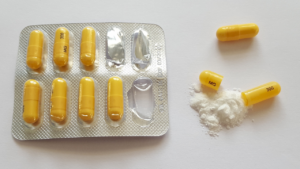
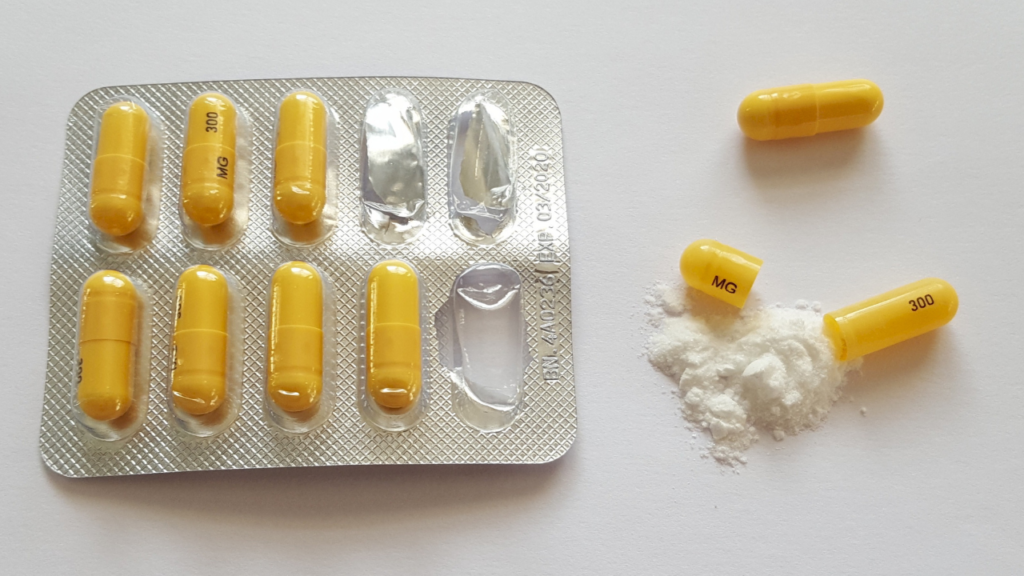
Gabapentin is not a narcotic or an opioid. It is a prescription anticonvulsant used to treat certain seizures and nerve pain. It is not federally classified as a controlled substance, but it can be misused and cause physical dependence. Being a non-opioid medication does not mean it is risk-free.
Understanding these distinctions can help you make informed decisions about your prescription or recognize when someone you care about may need support.
If you or someone you love is struggling with gabapentin misuse, The Bluffs in Ohio can help you explore prescription drug addiction treatment options. Call (330) 304-4875 to speak with our team about the next steps.
What Is Gabapentin?
Gabapentin, sold under the brand name Neurontin and as a generic medication, is FDA-approved for nerve pain following shingles and as an additional treatment for partial-onset seizures. Healthcare providers also prescribe it for certain conditions outside its approved indications.
Gabapentin enacarbil, sold as Horizant, is a different formulation approved for moderate-to-severe primary restless legs syndrome in adults and pain following shingles. These products should not be treated as interchangeable.
Gabapentin’s Legal Classification
Gabapentin is not a narcotic or an opioid, and it is not federally scheduled under the Controlled Substances Act. However, some states regulate it as a controlled substance because of concerns about misuse and dependence.
As of 2022, seven states classified gabapentin as a Schedule V controlled substance:
- Alabama
- Kentucky
- Michigan
- North Dakota
- Tennessee
- Virginia
- West Virginia.
Schedule V medications have accepted medical uses and a lower potential for abuse than Schedule IV drugs, but they still carry risks. State scheduling does not make gabapentin an opioid. Because gabapentin’s controlled-substance status varies by state and can change over time, ask your pharmacist about current requirements for your prescription.
In Ohio, gabapentin is not a controlled substance, but pharmacies must report outpatient prescriptions they dispense to the Ohio Automated Rx Reporting System (OARRS), the state’s prescription drug monitoring program. According to the Ohio Board of Pharmacy, this reporting requirement has been in effect since December 2016. Prescription monitoring does not change gabapentin’s classification as a non-controlled medication in Ohio.
What Are Gabapentin’s Side Effects?
According to the Cleveland Clinic, common gabapentin side effects include dizziness, fatigue, nausea, coordination problems, and double vision. Avoid driving until you know how the medication affects you, and contact your healthcare provider if side effects persist.
Gabapentin can also cause serious breathing problems, particularly when combined with opioids or other medications that cause sedation. Adults age 65 and older and people with lung conditions such as COPD face an increased risk. Alcohol can worsen sleepiness and dizziness and should be avoided while taking gabapentin.
Seek emergency medical help for slow or shallow breathing, bluish lips or fingers, or an inability to wake up. Learn more about gabapentin overdose symptoms and risks. Always take gabapentin as prescribed, and speak with your healthcare provider before changing your dose or stopping the medication.
Can Gabapentin Cause Dependence or Addiction?
Gabapentin can cause physical dependence and has been associated with misuse. These terms describe different experiences:
- Physical dependence means the body has adapted to a medication, and withdrawal symptoms may occur when it is reduced or stopped.
- Misuse means taking medication differently from the prescription, such as increasing the dose without medical guidance.
- Addiction involves difficulty controlling use and continuing despite harmful consequences.
Physical dependence alone does not establish addiction. Taking gabapentin as prescribed should not automatically be treated as evidence of a substance use problem.
Gabapentin’s prescribing information advises clinicians to watch for self-directed dose increases and drug-seeking behavior, particularly in people with a history of substance misuse.
Recognizing Signs Of Misuse
Identifying signs of gabapentin misuse is crucial for preventing potential overdose and dependence. These signs can include using the medication in higher doses than prescribed, seeking prescriptions from multiple doctors, or using gabapentin in combination with other substances, especially opioids or alcohol.
Why Is Mixing Gabapentin With Opioids or Alcohol Dangerous?
Gabapentin can increase sedation and the risk of serious breathing problems when combined with opioids or other medications that depress the central nervous system. Older adults and people with underlying breathing conditions may face additional risk.
Tell your prescriber about all medications and substances you use, including alcohol, sleep medications, and anti-anxiety medications. If gabapentin and an opioid are prescribed together, follow the treatment plan closely and discuss any concerning symptoms rather than changing either medication yourself.
Can You Stop Taking Gabapentin Suddenly?
Do not stop gabapentin abruptly or change your dose without speaking with your prescriber. Sudden or rapid discontinuation can cause withdrawal symptoms and increase seizure risk.
If you want to stop because of side effects or concerns about dependence, your healthcare provider can help develop an appropriate reduction plan.
Gabapentin Detox and Recovery Support at The Bluffs
If you or someone you know is struggling with gabapentin misuse, it’s important to seek professional help. The Bluffs Addiction Campuses in Ohio offers comprehensive treatment programs designed to address prescription drug abuse, including gabapentin. Our approach is tailored to individual needs, combining medical support, therapy, and counseling to foster recovery and enable individuals to thrive post-treatment.
It’s essential for patients and healthcare providers to communicate openly about the risks associated with gabapentin. If misuse has become a concern for you or someone you love, help is available. Our prescription drug treatment programs in Ohio combine medically supervised detox with individual therapy, group support and aftercare planning built around your situation. Call (330) 304-4875 to speak with an admissions coordinator, available 24/7, confidential, and with no obligation.