


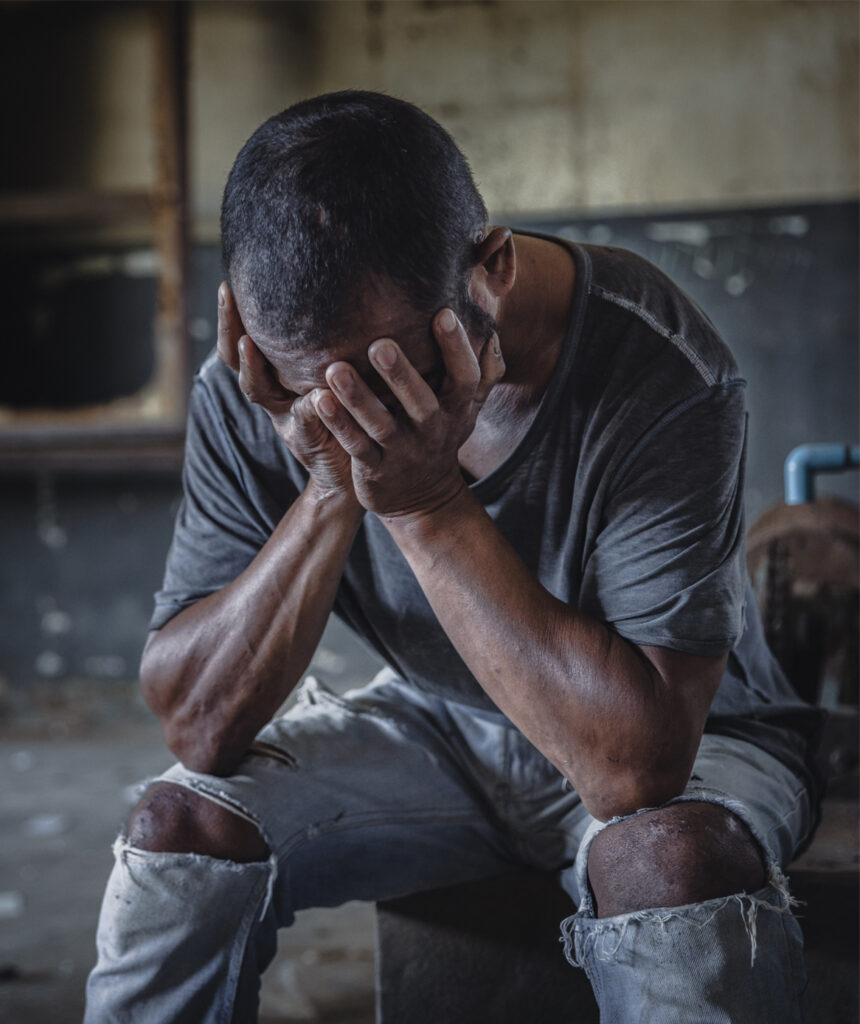
Addiction tears families apart, and often without warning. For people in Springfield, Ohio, finding effective drug rehab treatment means you or your loved one can enter drug rehab and find sobriety.
Ohio is no stranger to the scourge of the drug epidemic. At The Bluffs, treatment is available. The clinical team understands drug and alcohol addiction impacts the brain chemistry and can change your behavior.
Modern treatment uses evidence-based approaches that address both physical dependence and underlying factors that drive substance use. Programs combine medical care, counseling, and peer support to help people achieve lasting recovery.
Understanding Drug Rehab Levels of Care
The American Society of Addiction Medicine (ASAM) defines different levels of care based on individual needs. The right level depends on the substance used, length of use, physical health, mental health, and living situation. Most people start with detox if physically dependent, then move to residential treatment (living at a facility for 28 days to several months), followed by outpatient programs that allow living at home while attending treatment several times weekly.
Medical Detox: The First Step for Many People
Detox isn’t treatment by itself, but it’s often necessary. When someone stops using after prolonged use, withdrawal symptoms vary by substance. Alcohol and benzodiazepine withdrawal can cause seizures and life-threatening complications. Opioid withdrawal brings intense physical discomfort. Stimulant withdrawal causes severe depression and fatigue.
Medical detox provides 24-hour monitoring and medications to manage withdrawal safely. Doctors prescribe medications like buprenorphine for opioid withdrawal or benzodiazepines for alcohol withdrawal. Detox typically lasts three to seven days. Anyone using alcohol heavily, benzodiazepines, or opioids regularly should consider medical detox rather than trying to stop alone.
Drug Rehab Residential Treatment Programs
Residential treatment provides structured care in a controlled environment. You live at the facility and follow a daily schedule of individual therapy, group counseling, educational sessions, and activities. Programs last 28 to 90 days or longer. Research shows longer treatment produces better outcomes, especially for severe addiction or co-occurring mental health conditions.
A typical day includes individual therapy with a licensed counselor, group therapy with peers, educational lectures about addiction, recreational activities, and family therapy sessions. Common therapy approaches include cognitive behavioral therapy (CBT), which helps identify and change thought patterns leading to substance use, dialectical behavioral therapy (DBT), which teaches emotional regulation, and motivational interviewing, which strengthens commitment to change.
Medication-Assisted Treatment
Medication-assisted treatment (MAT) combines FDA-approved medications with counseling to treat substance use disorders. It’s the gold standard for opioid addiction and helps with alcohol dependence. For opioid use disorder, medications include buprenorphine (Suboxone), methadone, and naltrexone (Vivitrol). For alcohol use disorder, options include naltrexone, acamprosate (Campral), and disulfiram (Antabuse). Research shows MAT improves retention in treatment, reduces overdose deaths, and supports long-term recovery.
Co-Occurring Disorder Treatment
Many people with addiction also have mental health conditions like depression, anxiety, PTSD, or bipolar disorder. When both exist, it’s called a co-occurring disorder or dual diagnosis. Treating both simultaneously produces better outcomes than addressing either alone. Integrated treatment combines mental health care with addiction treatment, often including medication for psychiatric symptoms alongside therapy that addresses substance use and underlying emotional pain.
Length of Treatment and Continuum of Care
The National Institute on Drug Abuse recommends treatment last at least 90 days. After residential treatment, many people step down to less intensive care: partial hospitalization (six hours daily), intensive outpatient (three hours, three times weekly), then regular outpatient counseling. This gradual reintegration helps you practice coping skills in real-world situations while maintaining professional support.
Insurance Coverage and Paying for Treatment
The Mental Health Parity and Addiction Equity Act requires insurance companies to cover addiction treatment at the same level as medical care. Most commercial plans cover detox, residential treatment, and outpatient services. Ohio Medicaid covers treatment services for eligible residents, including assessment, counseling, residential care, and medication-assisted treatment. Most treatment centers offer free insurance verification to explain what’s covered and your out-of-pocket costs.
What to Look for in a Quality Drug Rehab Treatment Program
Look for state licensure from the Ohio Department of Mental Health and Addiction Services (OhioMHAS) and national accreditation from organizations like the Joint Commission or CARF. Clinical staff should include licensed therapists (LISW, LPC, LPCC) and physicians or nurse practitioners specializing in addiction medicine. Programs should use evidence-based therapies and track outcomes like completion rates and long-term sobriety.
Local Resources for Springfield Residents
The Mental Health Recovery Board of Clark, Greene, and Madison Counties serves the Springfield area. Located at 1055 East High Street in Springfield, this ADAMH board plans, funds, and monitors addiction and mental health services for local residents. They can help you find treatment options, connect with providers, and access services based on your needs and financial situation. Contact them at 937-322-0648.
For immediate help finding treatment anywhere in Ohio, the SAMHSA Treatment Locator at findtreatment.gov lets you search by zip code for facilities that offer detox, residential care, outpatient services, and medication-assisted treatment. You can filter by insurance accepted, services offered, and special populations served.
The SAMHSA National Helpline at 1-800-662-4357 provides free, confidential support 24 hours a day. Trained specialists can answer questions about addiction, provide information about local treatment options, and help you understand next steps. The service is free and doesn’t require insurance or personal information.
For peer support, Alcoholics Anonymous and Narcotics Anonymous have meetings throughout the Springfield area. Visit aa.org or na.org to find meetings near you. SMART Recovery offers a science-based alternative to 12-step programs and has online and in-person meetings at smartrecovery.org.
Our Location and Service Area
The Bluffs is located in Sherrodsville, Ohio, about 90 minutes northeast of Springfield. While that might seem far, many Springfield residents choose The Bluffs because removing yourself from your regular environment can be crucial for early recovery. The distance creates space from triggers, old routines, and people or places associated with drug use. Our setting provides the privacy and separation many people need to focus entirely on getting well.
The Bluffs serves people from across Ohio, including Clark County and the greater Springfield area. We work with most major insurance plans and offer free insurance verification to help you understand your coverage before you arrive. Transportation assistance may be available for those who need it.
Why Choose The Bluffs For Drug Rehab
The Bluffs offers a complete continuum of addiction treatment services in a residential setting designed for healing. We provide medical detox with 24-hour nursing care and physician oversight, residential treatment with individual and group therapy, medication-assisted treatment for opioid and alcohol use disorders, and co-occurring disorder treatment for people dealing with both addiction and mental health conditions.
Our clinical team uses evidence-based therapies including cognitive behavioral therapy, dialectical behavioral therapy, and EMDR for trauma. We also offer experiential approaches like music therapy, massage therapy, and meditation to complement traditional counseling. Family therapy helps repair relationships and involves loved ones in the recovery process.
We treat addiction to alcohol, opioids (including heroin, fentanyl, and prescription painkillers), stimulants (cocaine and methamphetamine), benzodiazepines, and other substances. Our programs address the full range of substance use disorders with individualized treatment plans based on each person’s unique situation. We also offer a specialized Veterans Treatment Program for those who’ve served in the military.
The Bluffs holds accreditation from the Joint Commission, CARF, and meets ASAM standards for addiction treatment. These credentials mean we’ve undergone rigorous external review and meet national benchmarks for quality care. Our facility includes comfortable living spaces, nutritious meals, and amenities that support healing and recovery.
How to Start Drug Rehab Treatment in Ohio
The hardest part of getting help is often making the first call. If you’re ready to explore treatment options, contact The Bluffs at 330-919-9228. Our admissions team is available 24/7 to answer questions, discuss your situation, and explain how treatment works. We offer free, confidential insurance verification so you know what to expect financially before making any decisions.
During the initial call, we’ll ask about your substance use history, any previous treatment, medical conditions, mental health concerns, and your current living situation. This isn’t an interrogation. We need this information to determine the right level of care and make sure we can meet your needs. If The Bluffs isn’t the right fit, we’ll help you find other options.
If you decide to move forward, we’ll schedule an admission date that works for you. Some people come immediately. Others need a few days to arrange time off work, organize childcare, or take care of other responsibilities. We’ll explain what to bring, what to expect on your first day, and answer any questions you have. Family members are welcome to call if they’re helping someone get into treatment.
Frequently Asked Questions About Drug Rehab Near Springfield, OH
How Long Does Drug Rehab Take?
Treatment length varies by individual needs. Detox typically lasts three to seven days. Residential programs run 28 to 90 days or longer. The National Institute on Drug Abuse recommends at least 90 days of total treatment for best outcomes. After residential care, many people continue with outpatient programs for several months.
Will Insurance Cover Rehab?
Most insurance plans cover addiction treatment due to the Mental Health Parity Act. Coverage typically includes detox, residential treatment, and outpatient care. Ohio Medicaid also covers these services. Call a treatment center for free insurance verification to understand your specific benefits and out-of-pocket costs.
Can I Work During Treatment?
Residential treatment requires living at the facility full-time, so you can’t work during this phase. However, outpatient and intensive outpatient programs allow you to maintain employment while attending treatment sessions several times weekly. Many employers are understanding about medical leave for substance use treatment.
What Happens After Rehab?
Discharge planning begins during treatment. You’ll typically step down to less intensive care like outpatient counseling, join support groups like AA or NA, continue medication if using MAT, and work with a therapist or recovery coach. Aftercare support helps prevent relapse and maintains progress.
Do I Have to Go to AA or NA?
Twelve-step programs like Alcoholics Anonymous and Narcotics Anonymous help many people, but they’re not mandatory everywhere. Some treatment programs incorporate 12-step principles while others offer alternative approaches. SMART Recovery provides a science-based alternative. Find what works for your recovery.
What If I Relapse After Treatment?
Relapse happens to many people in recovery. It doesn’t mean treatment failed or you can’t recover. If you relapse, reach out to your treatment team, return to meetings, and consider stepping back up to a higher level of care temporarily. Recovery is a process, not a single event.
Is Treatment Confidential?
Yes. Federal law (42 CFR Part 2) protects addiction treatment records with stricter privacy rules than regular medical care. Treatment centers can’t share your information without written consent, except in specific legal circumstances. Your employer won’t be notified unless you authorize it.
Crisis Resources
If you’re in immediate crisis or thinking about suicide, help is available right now. The 988 Suicide and Crisis Lifeline provides free, confidential support 24 hours a day. Call or text 988 to speak with a trained counselor. If you or someone else is in immediate danger, call 911.