


If you’re looking for the right drug rehab near Pittsburgh, you might be wondering how close is too close to where the addiction started. What if there was a scenic, lodge-style environment for recovery just across the state line? One that helps folks escape the triggers and focus on healing.
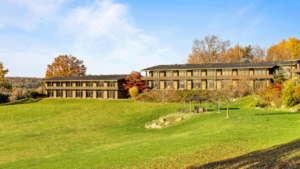
Residential drug treatment is a high-level intervention where a person struggling with addiction lives at a specialized facility receiving 24-hour medical and therapeutic support. It offers a fully immersive environment away from access to substances and daily stressors. For those in the Pittsburgh area, The Bluffs provides a meaningful distance that’s still accessible for family visits.
Key Takeaways
- Immersive Care: Residential treatment provides 24/7 clinical oversight and a break from high-stress environments.
- Strategic Distance: Being 90 minutes from Pittsburgh offers enough distance to break old patterns without losing family support.
- Clinical Rigor: Programs like those in the Atwood Lake region prioritize medical stabilization and individualized therapy.
- Dual Focus: Successful treatment addresses both the surface addiction and the underlying trauma.
- Practical Steps: Most programs accept private insurance, making residential care accessible for Pittsburgh-area professionals.
How To Know If You’re Ready for Residential Treatment
Determining if you need a higher level of care often comes down to the safety and stability of your current environment. For many, the decision follows a health scare, legal consequences like a DUI, or a direct ultimatum from an employer. If you find yourself in a cycle of relapse despite your best efforts at home, it may be time to consider the structure of a residential program.
Contact us today to get started on your sobriety journey.
Self-Check: Is Residential Treatment Right for You?
If you answer “yes” to more than two of the following items, a residential program may be the most appropriate next step for your recovery:
- Have you tried outpatient programs or support groups before but returned to use?
- Is your home environment currently filled with people or stressors that trigger the urge to use?
- Are you experiencing physical withdrawal symptoms when you try to stop on your own?
- Has your substance use led to significant consequences at work or with your family in the last six months?
- Do you feel that you cannot stay substance-free for even 24 hours without professional supervision?
- Are you struggling with a co-occurring mental health condition, such as depression or anxiety, alongside your addiction?
Practical concerns like cost shouldn’t be a barrier to these questions; most facilities offer a quick insurance verification to help you understand your coverage options early in the process.
What Makes Residential Drug Rehab Different from Outpatient Treatment
Residential drug treatment is defined as a live-in clinical program where clients receive intensive therapy and medical monitoring. Unlike outpatient care, which allows you to go home at night, a residential setting provides a completely substance-free “bubble”. This is essential for those whose substance use disorder has progressed to a point where their brain’s reward system is heavily compromised.
Comparison of Care Levels
| Feature | Residential Treatment | Outpatient Support |
| Living Arrangement | On-site clinical facility | Personal home |
| Supervision | 24/7 medical and clinical oversight | Scheduled sessions only |
| Environment | Controlled and trigger-free | Exposed to daily stressors |
| Intensity | Full-day therapeutic schedule | A few hours per week |
When Distance from Home Becomes Part of the Solution
For residents of Pittsburgh or Cleveland, the drive to a rural Ohio center like Sherrodsville can be a psychological turning point. Crossing the state line serves as a physical metaphor for leaving behind the people, places, and things associated with drug use. This distance is often the “missing piece” for professionals who find it impossible to disconnect from work-related stress while staying in the Pittsburgh metro area.
What to Expect in a Residential Program
Entering a residential drug treatment program can feel intimidating, especially for families who are already at their breaking point. Understanding the clinical flow of a program helps reduce the fear of the unknown.
The First 72 Hours: Medical Stabilization and Assessment
The first three days of treatment are focused on safety and evaluation. Medical stabilization, often referred to as detox, ensures that the person struggling with addiction can safely clear substances from their system under the watch of a clinical team. Simultaneously, a comprehensive assessment takes place to understand the root causes of the addiction, including any history of trauma or co-occurring mental health disorders.
Building a Treatment Plan That Fits Your History
At a facility like The Bluffs, we believe that a one-size-fits-all curriculum is ineffective. Truly individualized care involves building a plan around your specific history, vocational needs, and family dynamics. This might include a mix of individual counseling, group therapy, and experiential work designed to help you rediscover who you are underneath the addiction.
Considering your options? If you’re weighing whether residential treatment is the right step, a confidential assessment can help clarify your options — call (330) 919-9228 to speak with an admissions specialist or verify your insurance coverage online.
Why Pittsburgh-Area Residents Choose Ohio Rehab Centers
Many families from Western Pennsylvania find that looking for a “drug rehab near Pittsburgh” leads them naturally into the rolling hills of Ohio. Ohio’s regulatory standards and the variety of secluded clinical settings make it a premier destination for regional recovery.
The Atwood Lake Region: Clinical Care in a Non-Institutional Setting
The Atwood Lake region offers a unique therapeutic environment that feels far removed from the sterile, hospital-like settings often found in major cities like Pittsburgh or Cleveland. Facilities in this area prioritize comfort through large rooms, scenic views, and chef-prepared meals. This elevated comfort isn’t about luxury for its own sake; it’s about creating an environment where a client can feel safe enough to do the hard work of therapy.
What to Look for When Comparing Rehab Programs
When comparing addiction treatment near Pittsburgh, PA, it is important to look past the website photos to the clinical rigor underneath. A quality program should offer a combination of the following:
- Accreditation: Look for facilities accredited by The Joint Commission or CARF.
- Staff Credentials: Ensure the team includes master’s-level clinicians and medical doctors specialized in addiction.
- Dual Diagnosis Support: Since trauma is often the root of substance use, the program must be equipped to treat co-occurring disorders.
- Continuum Planning: A good program doesn’t just end at discharge; it should include a robust plan for what happens after you leave.
Frequently Asked Questions
1. How long does residential drug rehab typically last? Most residential programs last between 30 and 90 days, though the exact duration is based on your specific clinical needs and progress.
2. Does insurance cover out-of-state rehab treatment? Yes, most private insurance plans cover out-of-state residential treatment, especially when the facility is in-network or offers specialized care not available locally.
3. What’s the difference between detox and residential rehab? Detox is the initial medical stabilization phase where you safely withdraw from substances, while residential rehab is the longer-term therapeutic phase focused on behavioral change and root causes.
4. Can I stay in contact with family during residential treatment? Yes, staying connected to your support system is vital, though contact may be structured during the first few days to allow you to focus on stabilization.
5. How do I know if I need residential treatment or if outpatient would work? Residential treatment is typically necessary if you have a high risk of withdrawal, an unstable home environment, or have been unable to maintain sobriety through outpatient care.
6. What happens after I complete a residential program? After completion, we work with you to build an aftercare plan, which may include connecting with local support groups or therapy in the Pittsburgh area.
7. Is it better to go to rehab close to home or farther away? Going farther away can be beneficial to break old routines and distance yourself from triggers, provided the facility is still accessible for family sessions.
8. What should I bring to residential drug rehab? You should bring comfortable clothing, personal hygiene items, and any current medications, while items like electronics may be restricted to encourage focus.
Finding a Path Forward
The Bluffs is 90 minutes from Pittsburgh and two hours from Cleveland. Stay connected to your support system but with space to step away from old habits. We see past the addiction to the person underneath and offer a path for anyone willing to do the therapeutic work. Recovery is difficult, but it is possible when you have the right space and the right team behind you.
Contact us to discuss whether our program fits what you’re looking for.
- Phone: (330) 919-9228
- Website: bluffsrehab.com
Safety and Crisis Resources
- SAMHSA National Helpline: 1-800-662-HELP (4357)
- National Suicide Prevention Lifeline: 988
- Crisis Text Line: Text HOME to 741741
- Emergencies: If you are in immediate danger, please call 911.