




Preparing for drug and alcohol rehab requires careful planning, but knowing exactly what to pack helps you focus on recovery instead of logistics. Whether you are entering treatment near Akron, this complete checklist covers everything you need for a successful residential stay. Understanding what to bring and what to leave at home reduces admission stress and sets you up for healing from day one.
Most residential treatment programs last 30 to 90 days. During this time, you will participate in individual therapy, group counseling, and structured daily activities designed to support long-term sobriety. Packing the right essentials ensures comfort without bringing items that could distract from recovery or violate facility policies.
Before packing for rehab at The Bluffs, request a specific packing list from your treatment center. Each facility maintains unique policies about allowed and prohibited items. Staff will inspect your belongings during admission to ensure safety and compliance, which is standard procedure at all licensed treatment centers.
Essential Documents for Drug Rehab Admission
Preparing for drug or alcohol residential treatment can be overwhelming, but having your essential admission documents ready is crucial for a smooth start to your recovery journey. For those entering The Bluffs, this checklist ensures you bring everything necessary for a timely and stress-free check-in. Knowing what to pack for drug rehab includes gathering these critical records:
- Government-Issued Photo ID: Required to verify your identity upon arrival. Bring a current, valid form of identification such as your driver’s license, state ID, or passport.
- Health Insurance Information: Critical for verifying rehab insurance coverage before admission. Bring your insurance card and full policy details, including cards for Medicare, Medicaid, or commercial insurance.
- Comprehensive Medical Records & Medication List: These documents are vital for your care team to develop a holistic treatment plan for addiction and any co-occurring disorders. Be sure to include:
- A complete, up-to-date list of all current medications, including names and dosages.
- Recent medical test results.
- Documentation of previous hospitalizations or mental health treatment.
- Written Emergency Contact Information: Because most treatment centers restrict access to cell phones and electronics, a handwritten list is essential. Include names, phone numbers, and addresses for your family, friends, healthcare providers, and therapists to ensure you can contact your support system.
What Clothing to Pack for Residential Treatment
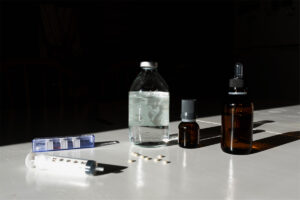
To ensure a smooth admission and continuity of care at a drug rehab facility, adhere to these guidelines for packing your medications:
- Original Containers are Required: All prescription medications must be packed in their original pharmacy containers with the intact prescription label clearly displaying your name, the medication, dosage, doctor, and pharmacy details.
- Comprehensive Medication List: Prepare a complete, up-to-date medication list including names, dosages, frequencies, and prescribing doctors for all physical and mental health medications.
- Sufficient Supply: Bring a sufficient supply of your medications for your entire stay, plus a few extra days, especially for chronic conditions.
- Sealed Liquids: Liquid medications must typically be new and sealed to be accepted by the facility.
- Over-the-Counter (OTC) & Supplements: Be aware that over-the-counter (OTC) medications and supplements may require prior approval from the medical team.
- Medical Equipment Notification: If you use medical equipment (e.g., CPAP machines, glucose monitors, inhalers), inform the treatment center in advance.
- Prohibited: Do not bring medications prescribed to someone else.
Toiletries and Personal Hygiene Items
Personal hygiene products help maintain your routine and provide comfort during treatment. All toiletries must be alcohol-free. Common products like mouthwash, cologne, perfume, and aftershave contain alcohol and are prohibited. Check all product labels carefully before packing.
Aerosol products are generally prohibited due to safety concerns. Choose pump sprays, roll-on deodorants, and non-aerosol hair products instead.
Complete Toiletries Checklist
Pack enough for 30 days. Ensure all liquid products are new and sealed.
- Oral Care: Toothbrush, toothpaste, and dental floss.
- Hair Care: Shampoo and conditioner (pump bottles recommended; avoid aerosols), hairbrush/comb, hair ties, and alcohol-free styling products.
- Body Care: Body wash or bar soap, body lotion, and deodorant (must be roll-on or stick; aerosols are prohibited).
- Face & Skin: Face wash, moisturizer, sunscreen (essential for outdoor activities), and prescription skincare products.
- Shaving: Disposable safety razors (check facility rules for electric razors) and shaving cream.
- Vision: Contact lenses, solution, and a backup pair of glasses.
- Feminine Hygiene: Bring a sufficient supply of tampons or pads for your stay.
Prescription Medications for Drug and Alcohol Rehab
For Prescription Medications, you must bring them in their original pharmacy containers with intact prescription labels (including your name, medication, dosage, doctor, and pharmacy details).
You should also:
- Create a complete, up-to-date medication list (names, dosages, frequencies, and prescribing doctors) for all physical and mental health medications.
- Bring a sufficient supply for your entire stay plus several extra days, especially for chronic conditions.
- Note that liquid medications must typically be new and sealed.
- Over-the-counter medications and supplements may require medical team approval.
- Do not bring medications belonging to someone else.
- Inform the treatment center in advance if you use medical equipment (e.g., CPAP machines, glucose monitors, inhalers).
Comfort Items and Emotional Support
Recovery presents emotional challenges, and comfort items can support your healing journey. The Bluffs allows personal items promoting relaxation and emotional well-being.
Photographs of loved ones provide emotional connection and motivation. Bring printed photos rather than relying on phones, as electronic devices face restrictions. Visual reminders of your support system can be displayed in your room and help you stay grounded in recovery goals.
Journals and pens are valuable tools for processing emotions and recording therapy insights. Journaling supports mental health by helping organize thoughts, track progress, and work through difficult feelings.
While books are allowed, avoid books glorifying substance use or containing explicit content. Consider bringing books about recovery, personal growth, or topics that interest you. E-readers without wifi capability may be permitted, providing access to multiple books without taking luggage space.
Additional Personal Comfort Items
Small personal items make your room feel familiar. Consider bringing a small pillow or blanket from home. Some people find comfort in stress balls, fidget toys, or similar anxiety-management objects.
Religious or spiritual items such as prayer books, rosaries, or meaningful objects are typically allowed and provide emotional support.
Prohibited Items: What Not to Bring to Rehab at The Bluffs
Understanding prohibited items is just as important as knowing what to pack. Ohio treatment facilities strictly restrict certain items to maintain safety, reduce distractions, and support the therapeutic environment. Bringing any of the following items will likely result in immediate discharge from the program:
- Contraband: Never bring alcohol, illegal drugs, or drug paraphernalia to rehab.
- Weapons: All weapons are strictly prohibited, including knives, firearms, or any sharp objects.
- Electronic devices with internet capabilities are not allowed on the campus.
Other Prohibited Items at Treatment Centers
Valuable items like expensive jewelry or large cash amounts should stay home. Bring only essential jewelry like wedding rings if needed, and limit cash to $50 to $100 in small bills for vending machines or facility store purchases.
Revealing or inappropriate clothing including items with drug, alcohol, or profane references must stay home. Adult materials or content glorifying substance use are not allowed.
What to Expect During Rehab Admission in Sherrodsville
When you arrive at treatment facilities in Sherrodsville, near Akron, or near Canton, you complete an admission process typically lasting several hours. Staff complete initial paperwork including consent forms, privacy agreements, and treatment contracts. You meet with medical personnel who conduct physical examinations, review medical history, and assess immediate medical needs. This is especially important if you require medical detox services to safely manage withdrawal symptoms.
Staff inspect your belongings to ensure facility policy compliance. Any prohibited items are stored and returned at discharge, or you can arrange for someone to pick them up. Staff inventory your approved belongings to ensure nothing is left behind when you leave.
Your First Days in Residential Treatment
The first days focus on orientation and comprehensive assessment. You meet your treatment team including counselors, therapists, case managers, and medical staff. A thorough assessment evaluates your substance use history, mental health, physical health, family dynamics, and social circumstances. This information shapes your individualized treatment plan.
The Bluffs residential treatment programs follow structured daily routines including therapy sessions, group meetings, meals, recreation time, and personal reflection periods. Structure is essential for recovery and helps establish healthy routines.
Evidence-Based Therapies in Ohio Addiction Treatment
Quality treatment centers in Ohio use evidence-based approaches proven effective for addiction recovery. Cognitive Behavioral Therapy (CBT) helps identify and change negative thought patterns contributing to substance use. You learn to recognize triggers, challenge unhelpful thoughts, and develop healthier coping strategies.
Dialectical Behavior Therapy teaches skills in four key areas: mindfulness, distress tolerance, emotion regulation, and interpersonal effectiveness. These skills help manage intense emotions and relationships without turning to substances.
Additional Evidence-Based Therapeutic Approaches
Individual therapy provides one-on-one time with licensed therapists to address personal issues, trauma, and recovery goals. Group therapy offers peer support and allows learning from others facing similar challenges. Family therapy involves loved ones in recovery and helps heal relationships damaged by addiction.
The Bluffs incorporates experiential therapies like art therapy, music therapy, and outdoor activities that engage you in recovery through hands-on experiences. 12-step programs introduce fellowship and support that continues after treatment ends.
Understanding Rehab Costs and Insurance Coverage in Ohio
Most Ohio treatment centers accept major insurance providers and verify benefits before arrival. Under the Mental Health Parity and Addiction Equity Act, insurance plans must cover substance use disorder treatment at the same level as medical and surgical care, including coverage for detox, residential treatment, outpatient care, and medications.
Ohio Medicaid covers comprehensive addiction treatment including detox, residential care, and outpatient programs. Contact your local county board or the Ohio Department of Mental Health and Addiction Services for Medicaid coverage information. Private insurance typically covers addiction treatment, though specific benefits vary by plan. Use your facility’s insurance verification services to understand your exact coverage.
Aftercare Planning and Ohio Recovery Resources
Recovery continues long after you leave residential treatment. Your treatment team develops a detailed aftercare plan before discharge that typically includes ongoing therapy, support group attendance, medication management if applicable, and strategies for managing triggers and high-risk situations. Many people transition to outpatient programs providing structure while allowing them to return home and resume daily responsibilities.
Ohio offers extensive recovery support resources. Alcoholics Anonymous and Narcotics Anonymous meetings are available throughout the state. Visit AA.org or NA.org to find meetings near you. SMART Recovery offers an alternative approach to peer support based on cognitive-behavioral principles. Find meetings at SmartRecovery.org.
If you experience a crisis during or after treatment, help is available 24/7. The 988 Suicide and Crisis Lifeline provides free, confidential support by calling or texting 988. Trained counselors are available around the clock to help with mental health emergencies and substance use crises.
For medical emergencies, always call 911.
How to Evaluate Quality Addiction Treatment Centers in Ohio
Not all treatment centers are the same. When evaluating opioid addiction treatment in Ohio, look for these indicators of quality:
- Accreditation: Look for The Joint Commission Gold Seal of Approval or CARF accreditation.
- Licensing: Ensure the facility is licensed by the state of Ohio.
- Clinical Staff: The team should include master’s-level therapists, licensed nurses, and physicians.
- Customized Care: Look for individualized plans tailored to your needs.
- Dual Diagnosis Capable: The program should be equipped to treat co-occurring mental health disorders like anxiety or depression alongside addiction.
Why Ohio Families Choose The Bluffs for Addiction Treatment
When families choose drug rehab, they value centers like The Bluffs because they combine evidence-based treatment with holistic therapies to support people through their drug rehab. The center offers drug detox and a full continuum of care to treat you from start to finish.
Continuum of Care at The Bluffs
The Bluffs provides a complete continuum of care from medical detox through continuing care programs. Services include drug and alcohol detox with 24/7 medical monitoring, residential treatment programs providing immersive therapeutic experiences, and long-term programs supporting sustained recovery.
A typical stay in a treatment facility like The Bluffs can last between 30 and 90 days.
Treatment incorporates diverse therapeutic approaches including cognitive-behavioral therapy, dialectical behavior therapy, EMDR for trauma processing, and experiential therapies utilizing the natural setting. The facility features an indoor pool, fitness center, and extensive outdoor spaces for adventure therapy, yoga, and hiking.
The Bluffs also offers a specialized program for veterans recognizing unique needs of military service members in recovery. If you or a loved one served in the military, this program provides trauma-informed care tailored to veterans’ experiences.
Start Your Recovery Journey Today
Making the decision to enter rehab is a courageous first step toward lasting sobriety. Use this comprehensive checklist as your starting point, but always contact your specific treatment center for their detailed packing list.
If you have questions about what to bring or need help verifying insurance coverage, contact The Bluffs at 330-919-9228. Admissions specialists are available to answer questions, verify insurance benefits, and help you prepare for treatment. You can also submit a contact form for more information about programs and services.
The Bluffs is located at 2650 Lodge Rd SW, Sherrodsville, Ohio.
Helpful Links
- SAMHSA National Helpline – Free, confidential, 24/7 treatment referral and information service
- American Addiction Centers: What Should I Bring For Drug Rehab
- FindTreatment.gov
- Methadone.org: What to Bring to Rehab
- Ohio Department of Mental Health and Addiction Services
- 988 Suicide and Crisis Lifeline
- The Joint Commission – Information about healthcare accreditation standards
- National Institute on Drug Abuse – Research-based information on addiction