



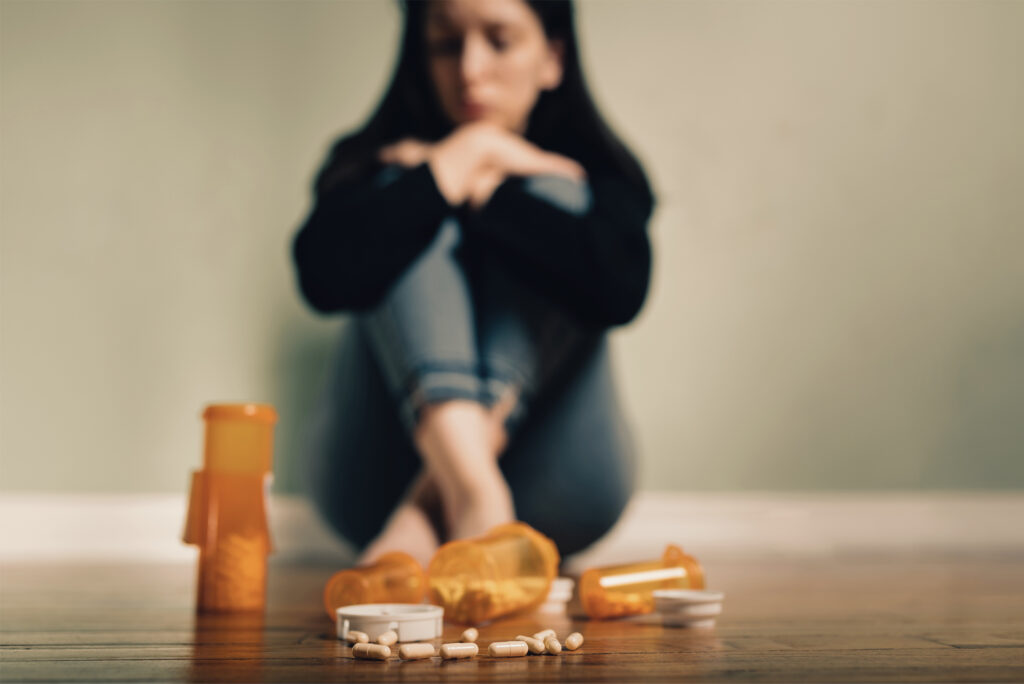
Finding a pill in your child’s room is a moment of absolute terror. If you found a suspected fentanyl pressed pill, you should prioritize physical safety before anything else.
Check your child’s breathing and responsiveness immediately. If they are stable, secure the pill in a glass container or plastic bag without touching it directly. Avoid a reactive confrontation while you are still in shock. Your goal in these first few minutes is to ensure your child is alive and to secure the substance so no one else can ingest it.
If you find fentanyl pressed pills, check for signs of overdose and call 911 if your child is unresponsive. Secure the pill safely, research the specific markings, and wait until you are calm to have a direct conversation about where the pill came from. Immediate professional assessment is often necessary because these pills are unpredictable and can cause dependency very quickly.
At The Bluffs in Sherrodsville, a clinical team offers a host of different types of treatment, from individual counseling to drug and alcohol detox.
Important Disclaimers
Age of Treatment: The Bluffs Addiction Campuses provides treatment services for adults aged 18 and older only. We do not treat minors. If your child is under 18 and needs substance use treatment, please contact your pediatrician, a local adolescent treatment program, or the SAMHSA National Helpline at 1-800-662-HELP (4357) for referrals to age-appropriate care in your area.
Medical Disclaimer: The information provided in this article is for educational and informational purposes only and is not intended as a substitute for professional medical advice, diagnosis, or treatment. Always seek the advice of a qualified healthcare provider with any questions you may have regarding a medical condition or substance use disorder. If you believe someone is experiencing an overdose or a medical emergency, call 911 immediately. Do not delay seeking emergency medical care based on anything you have read here. The Bluffs Addiction Campuses does not provide medical advice through this content, and reliance on any information in this article is solely at your own risk.
Key Takeaways
- Check your child for signs of overdose immediately. Look for slowed breathing or blue lips.
- Handle the pill carefully using a tool or gloves and store it in a sealed container.
- Wait until you are calm to have a direct, non-accusatory conversation.
- Understand that most prescription pills bought on social media are counterfeits containing fentanyl.
- Professional help is often necessary because fentanyl creates a physical dependency faster than almost any other substance.
Safety Check: Overdose Signs
Before you do anything else, look for these physical signs. If you answer “yes” to any of these, call 911 now.
- Are their pupils extremely small (pinpoint)?
- Is their breathing slow, shallow, or has it stopped?
- Are they making gurgling or snoring sounds while asleep?
- Are their lips or fingernails blue or grayish?
- Are they unable to wake up or respond to your voice?
- Is their skin cold or clammy to the touch?
What Are Fentanyl Pressed Pills?
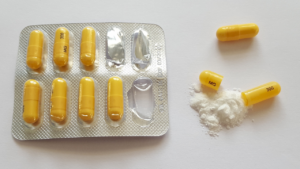
Fentanyl pressed pills are counterfeit medications produced in clandestine labs to look identical to legitimate prescription opioids or benzodiazepines. Most often, they are dyed blue and stamped to mimic 30mg Oxycodone. These are frequently called “M30s” or “blues.” They can also look like Xanax or Percocet. These pills contain no actual medicine. They are composed of filler material and varying amounts of illicit fentanyl, which is a synthetic opioid 50 times stronger than heroin.
Why These Pills Are Different From Other Drug Risks
In previous generations, experimenting with drugs carried risks, but the dosage was usually somewhat predictable. Fentanyl changed that. Because these pills are made in unregulated environments, one pill might have a tiny amount of fentanyl while the next contains a lethal dose. Drug dealers often market these to teens and young adults through apps like Snapchat or Instagram. They are framed as study aids or anxiety meds. Your child might think they are taking a pharmaceutical-grade pill when they are actually playing a game of Russian Roulette with a chemical they do not understand.
EMERGENCY GUIDANCE
If your child has already taken a pill or is showing signs of overdose, such as slowed breathing, blue lips, or unresponsiveness, call 911 immediately. For poison guidance, call 800-222-1222. Naloxone (Narcan) can reverse a fentanyl overdose. If you have it, use it. Do not wait for certainty.
What to Do in the Next 24 Hours
The first day after this discovery is the hardest. Your brain is likely cycling through every “what if” scenario. Follow these steps to stay grounded.
- Secure the evidence. Use a piece of paper or gloves to pick up the pill. Put it in a jar. Do not throw it down the toilet or in the trash where a pet or younger child might find it.
- Assess the immediate environment. Check for other items like burnt foil, cut straws, or small plastic baggies. This helps you understand if this was a one-time occurrence or a developing habit.
- Regulate your emotions. If you walk into your child’s room while you are reactive, they will shut down or lie. They are likely already scared. You need to be the person they can talk to, even if you are terrified inside.
- Identify the pill. Use an online pill identifier tool, but remember that counterfeits are designed to look perfect. If it was not handed to them by a pharmacist, assume it is fentanyl.
- Decide on the intervention. If your child is stable, this is a conversation emergency. If they are nodding off or acting strangely, it is a medical emergency.
Should You Call 911 or Poison Control?
If your child is conscious and talking but you are worried about what they ingested, call Poison Control at 800-222-1222. They can walk you through what to watch for. However, if your child is unresponsive or their breathing is irregular, call 911. Tell the dispatcher you suspect an opioid overdose. In Ohio, the Good Samaritan law provides certain protections for people who seek medical assistance for a drug-related overdose. Do not let the fear of legal trouble stop you from saving your child’s life.
How to Have the Conversation With Your Child
Wait for a time when they are not drowsy. Sit them down and be direct. Use “I” statements to describe your feelings.
“I found a blue pill in your room, and I am terrified because most of these are fentanyl. I love you too much to stay silent about this. We need to talk about where this came from and how we can keep you safe.”
Listen more than you speak. They might lie initially. They might say they are holding it for a friend. Focus on the reality that having that pill in the house is a threat to their life.
Understanding What Finding Fentanyl Pills Means
Finding a pill is information. It does not mean you are a bad parent. It does not mean your child is lost. It does mean they have been exposed to a very dangerous corner of the drug market.
Sometimes, a teen buys a pill thinking it is a Xanax to help with school stress. They might not even know what fentanyl is. Other times, the discovery of a pill is the tip of the iceberg of a physical dependency that has been growing for months. Fentanyl hitches a ride on the brain’s receptors so tightly that the body begins to crave it just to feel normal within days of use. If your child seems irritable, has lost interest in hobbies, or has flu-like symptoms that disappear suddenly, they may already be struggling with a substance use disorder.
When to Consider Professional Help for Fentanyl Use in Ohio
There is a limit to what you can do in your home. If you find that your child is unable to stop using despite the risks, or if they are experiencing withdrawal symptoms, it is time for clinical support.
Comparing Levels of Care
| Level of Care | What It Is | Who It Is For |
| Medical Detox | Clinical supervision to safely manage withdrawal symptoms. | Anyone who is physically dependent on opioids like fentanyl. |
| Residential Treatment | 24/7 care in a lodge-style setting with medical and clinical staff. | People with a physical dependency who need a safe environment to recover. |
| Partial Hospitalization (PHP) | Intensive day treatment while living at home or in supervised housing. | People who have completed residential care or have a stable home life. |
Frequently Asked Questions
How can I tell if a pill contains fentanyl?
You cannot tell by looking. Professional counterfeiters use high-end pill presses to replicate the color, shape, and stamps of real pills. If the pill was not dispensed by a licensed pharmacy, you must assume it contains fentanyl.
Is finding one pill a sign my child has an addiction?
Not necessarily. It could be a first-time purchase. However, because fentanyl is so addictive, even recreational use can become a physical dependency very quickly. The pill is a sign of access to a dangerous supply chain.
How do I talk to my teenager about finding drugs in their room without pushing them away?
Focus on the danger of the drug, not the badness of their choice. Tell them you are scared for their life, not angry at their character. Calmness is your most powerful tool in keeping the lines of communication open.
What is the difference between fentanyl exposure and fentanyl addiction?
Exposure is the act of taking the drug. Addiction, or substance use disorder, is the chronic condition where the person cannot stop using despite the harm it causes. With fentanyl, the line between the two is incredibly thin.
Does my child need residential treatment for fentanyl use, or can we handle this at home?
This depends on the level of dependency. If they are experiencing physical withdrawals or have been using for an extended period, a residential setting provides the safety and structure needed to stop.
How do I know if my child needs professional addiction treatment?
If they have tried to stop and could not, if they are lying about their use, or if their physical health and school performance are declining, they likely need professional help. If they are experiencing withdrawals like nausea or tremors, medical intervention is necessary.
Will my insurance cover residential treatment for my child’s substance use?
Most private insurance plans cover some or all of the costs of substance use treatment. Our team at The Bluffs can help you verify your benefits and understand what your policy covers.
How quickly can someone become dependent on fentanyl?
Dependency can begin in as little as a few days of repeated use. Fentanyl is more potent than heroin or morphine, meaning it rewires the brain’s reward system much faster than older substances.
You Do Not Have to Do This Alone
The shock you are feeling right now is heavy. You might feel like you have been hit by a wave and you are just trying to keep your head above water. Finding that pill was a terrifying moment, but it is also an opportunity to intervene before the worst happens.
How You Can Start Treatment Near Cleveland
Call our admissions team today at 330-919-9228. Team members are ready to assist you and answer any questions you may have. We can help with referrals.
Not ready for a call? Fill out our intake form on our contact us page.
Helpful Resources
- SAMHSA National Helpline: 1-800-662-HELP (4357)
- 988 Suicide & Crisis Lifeline
- Crisis Text Line: Text HOME to 741741
- Central Ohio Poison Center
- DEA: One Pill Can Kill (Counterfeit Pressed Pills)
- South Dakota Department of Health: Fake Pills Kill
- Recovery Ohio: Counterfeit Pills
- National Library of Medicine: Counterfeit Pills
- Cleveland Clinic: The Community Burden of Opioids in the U.S.