




Choosing the right drug rehab center in Ohio can feel overwhelming, especially when you’re already dealing with the challenges of addiction. With numerous treatment facilities across the state offering different programs, understanding the various levels of care, the admissions process, and how insurance works is crucial for making an informed decision. In this comprehensive guide, we’ll walk you through everything you need to know about drug rehab centers in Ohio so you can find the best treatment option for yourself or your loved one.
Understanding Levels of Care in Ohio Addiction Treatment
One of the most important aspects of choosing a rehab center is understanding which level of care is appropriate for your situation. Not everyone needs the same intensity of treatment, and matching your needs to the right level of care significantly improves your chances of long-term recovery.
Medical Detoxification
For many people struggling with substance use disorders, medical detox is the essential first step. This is particularly true for those dependent on alcohol, benzodiazepines, or opioids, as withdrawal from these substances can be dangerous or even life-threatening without medical supervision.
During medical detox, healthcare professionals monitor your vital signs 24/7 while medications are administered to ease withdrawal symptoms and keep you safe. At The Bluffs, we’ve developed an industry-leading detox protocol that prioritizes both safety and comfort. Our licensed medical staff tailors care to your unique needs, ensuring that you’re stable and ready to transition into the next phase of treatment.
Medical detox typically lasts between 3-10 days, depending on the substance involved and the severity of dependence. It’s important to understand that detox alone is not treatment—it’s simply the process of clearing substances from your body. Comprehensive addiction treatment must follow to address the psychological, behavioral, and social aspects of addiction.
Residential (Inpatient) Treatment
Following detox, many individuals benefit from residential treatment, also known as inpatient rehab. This level of care provides 24-hour supervision and support in a structured, substance-free environment. Residential treatment is ideal for those who:
- Have severe or long-standing addictions
- Have tried outpatient treatment without success
- Lack a stable, supportive home environment
- Have co-occurring mental health disorders requiring intensive care
- Need to remove themselves from triggering environments
At residential treatment facilities in Ohio like The Bluffs, you’ll participate in individual therapy, group counseling, family therapy, and evidence-based treatment modalities designed to help you understand the root causes of your addiction. Residential programs typically last 30, 60, or 90 days, though length of stay should be determined by clinical need rather than arbitrary timeframes.
During your stay, you’ll learn essential coping skills, relapse prevention strategies, and healthy ways to manage stress and emotions. The structured daily schedule includes therapeutic activities, recreational time, nutritious meals, and opportunities for self-reflection and healing.
Partial Hospitalization Program (PHP)
A Partial Hospitalization Program offers a step-down level of care that provides intensive treatment while allowing you to return home in the evenings. PHP typically involves 5-6 hours of programming per day, 5-7 days per week. This level of care is appropriate for individuals who:
- Have completed residential treatment and are ready for less intensive care
- Need more structure than traditional outpatient programs provide
- Have a stable living environment that supports recovery
- Don’t require 24-hour medical supervision
PHP programs in Ohio include many of the same therapeutic interventions as residential treatment, including individual counseling, group therapy, and psychiatric services. The difference is that you maintain some connection to your daily life while still receiving robust treatment support.
Intensive Outpatient Program (IOP)
Intensive Outpatient Programs provide a flexible treatment option for individuals who need substantial support but can manage their daily responsibilities. IOP typically involves 9-15 hours of treatment per week, usually scheduled for 3-4 days. This level of care works well for people who:
- Have completed PHP and are transitioning to less intensive care
- Have work, school, or family obligations they must maintain
- Have a strong support system at home
- Demonstrate stability and commitment to recovery
IOP allows you to practice recovery skills in real-world situations while still having regular access to professional support and accountability. Many Ohio rehab centers offer both daytime and evening IOP schedules to accommodate different needs.
Continuing Care and Aftercare
Recovery doesn’t end when formal treatment concludes. Continuing care services are essential for maintaining long-term sobriety. These may include:
- Weekly individual therapy or counseling sessions
- Ongoing group support meetings
- Medication-Assisted Treatment (MAT) for opioid or alcohol addiction
- Alumni programs and peer support networks
- Case management services
The Bluffs provides comprehensive continuing care services designed to support your recovery journey long after you leave our residential facility. We understand that recovery is a lifelong process, and we’re committed to being there for you every step of the way.
The Admissions Process at Ohio Rehab Centers
Understanding what to expect during the admissions process can alleviate anxiety and help you prepare for treatment. While specific procedures vary by facility, most Ohio drug rehab centers follow a similar framework.
Initial Contact and Assessment
Your journey begins with a simple phone call. When you reach out to a treatment center like The Bluffs, you’ll speak with an admissions specialist who will ask questions about:
- Your substance use history (what substances, how much, how long)
- Previous treatment experiences, if any
- Mental health history and current symptoms
- Medical conditions or medications
- Living situation and family dynamics
- Legal issues related to substance use
- Motivation for seeking treatment
This initial conversation is confidential and non-judgmental. The goal is to gather enough information to determine if the facility can meet your needs and which level of care is most appropriate. Many centers can conduct this assessment over the phone, though some may request a video call or in-person evaluation.

Insurance Verification
Once you’ve completed the initial assessment, the admissions team will verify your insurance benefits. This crucial step determines what services your insurance will cover and what, if any, out-of-pocket costs you might incur. We’ll discuss insurance in more detail in the next section.
The insurance verification process typically takes 24-48 hours. The admissions team will contact your insurance provider to confirm:
- Whether addiction treatment is covered under your plan
- What levels of care are authorized
- How many days of treatment are approved
- Your deductible, copay, and out-of-pocket maximum
- Whether pre-authorization is required
Medical and Clinical Evaluation
Before admission, most Ohio rehab centers require a more thorough medical and clinical evaluation. This may occur on your first day at the facility or, in some cases, can be completed beforehand via telehealth. The evaluation includes:
- Detailed medical history and physical examination
- Laboratory tests (bloodwork, urinalysis for drug screening)
- Mental health screening using standardized assessment tools
- Review of current medications and medical needs
- Assessment of nutritional status and general health
This comprehensive evaluation ensures that the treatment team has all the information needed to create a personalized treatment plan and provide safe, effective care.
Scheduling Admission
Once you’ve been accepted into the program, the admissions coordinator will work with you to schedule your arrival. For residential treatment, you’ll receive detailed instructions about:
- What to bring (clothing, toiletries, approved medications)
- What NOT to bring (substances, weapons, excessive valuables)
- Transportation to the facility
- Arrival time and what to expect on your first day
Many Ohio treatment centers, including The Bluffs, can facilitate same-day or next-day admissions for individuals in crisis or those who are ready to start treatment immediately. The key is to reach out as soon as you’re ready—we’re here to help you take that first step.
First Days in Treatment
Your first few days in treatment focus on orientation, continued assessment, and getting you stabilized. If you require detox, medical staff will monitor you closely and provide comfort medications as needed. You’ll meet with various members of your treatment team, including:
- Your primary therapist or counselor
- Medical staff and nursing team
- Case manager
- Psychiatrist (if medications are needed)
Together, you’ll develop an individualized treatment plan with specific goals and objectives tailored to your unique situation.
Navigating Insurance Coverage for Addiction Treatment in Ohio
Understanding how insurance works for addiction treatment can be confusing, but it’s an essential part of accessing the care you need. Since the passage of the Affordable Care Act (ACA) and the Mental Health Parity and Addiction Equity Act, insurance coverage for substance use disorder treatment has significantly improved.
What Does Insurance Typically Cover?
Most health insurance plans in Ohio now include coverage for addiction treatment as an essential health benefit. This typically includes:
- Medical detoxification services
- Inpatient/residential rehabilitation
- Partial hospitalization programs
- Intensive outpatient programs
- Outpatient counseling and therapy
- Medication-assisted treatment
- Case management services
However, coverage varies significantly by insurance provider, specific plan, and individual policy. Some plans may have limitations on the number of days covered for residential treatment or may require step-down care progression (starting with outpatient before approving inpatient).
Common Insurance Providers Accepted at Ohio Rehabs
The Bluffs works with most major insurance providers in Ohio, including:
- Blue Cross Blue Shield
- Medical Mutual of Ohio
- Anthem
- Cigna
- UnitedHealthcare (UHC)
- Aetna
- Humana
- Beacon Health Options
- Optum
- Medicare and Medicaid plans
Each insurance provider has different requirements for authorization and coverage. Our experienced admissions team is well-versed in working with these insurance companies to maximize your benefits and minimize your out-of-pocket costs.
Understanding Your Out-of-Pocket Costs
Even with insurance coverage, you may be responsible for certain costs:
Deductible: The amount you must pay before your insurance begins covering services. Many plans have separate deductibles for medical and behavioral health services.
Copay: A fixed amount you pay for each service or visit (e.g., $25 per therapy session).
Coinsurance: A percentage of the total cost you’re responsible for after meeting your deductible (e.g., you pay 20% while insurance pays 80%).
Out-of-Pocket Maximum: The maximum amount you’ll pay in a year before insurance covers 100% of costs.
Understanding these terms helps you anticipate costs and plan accordingly. The admissions team at any reputable Ohio rehab center should be transparent about expected costs before you commit to treatment.
What If I Don’t Have Insurance?
Not having insurance shouldn’t prevent you from getting help. Many Ohio treatment centers, including The Bluffs, offer several options for individuals without insurance:
- Self-pay rates and payment plans
- Sliding fee scales based on income
- Information about state-funded treatment programs
Ohio also offers several state-funded addiction treatment programs through the Ohio Department of Behavioral Health. While these programs often have waiting lists, they provide no-cost or low-cost treatment for qualifying residents.
Prior Authorization and Appeals
Many insurance companies require prior authorization before approving treatment. This means the treatment center must submit clinical information to the insurance company for review before you can be admitted. The insurance company will assess whether the requested level of care is medically necessary.
If your insurance denies coverage or authorizes fewer days than recommended, don’t give up. You have the right to appeal the decision. The treatment center’s admissions and clinical teams can assist with the appeals process by providing additional documentation supporting the need for care.
Questions to Ask About Insurance Coverage
When discussing insurance with an admissions coordinator, be sure to ask:
- Is your facility in-network or out-of-network with my insurance?
- What is my deductible, and has any of it been met this year?
- How many days of treatment has my insurance authorized?
- What are my estimated out-of-pocket costs?
- Does my plan require prior authorization, and how long does that take?
- What happens if I need more treatment than initially authorized?
- Does my insurance cover aftercare and continuing care services?
- Are there any exclusions or limitations in my policy I should know about?
A reputable facility will answer these questions clearly and help you understand your financial responsibility before admission.
Choosing the Right Ohio Drug Rehab Center
With so many drug rehab centers throughout Ohio, how do you choose the right one? Consider these important factors:
Accreditation and Licensing
Ensure the facility is properly licensed by the Ohio Department of Mental Health and Addiction Services and holds accreditations from recognized organizations such as:
- The Joint Commission
- Commission on Accreditation of Rehabilitation Facilities (CARF)
- American Society of Addiction Medicine (ASAM)
The Bluffs maintains all necessary state licenses and holds accreditation from The Joint Commission, CARF, and follows ASAM criteria, ensuring we meet the highest standards of care.
Evidence-Based Treatment Approaches
Look for facilities that use proven, evidence-based treatment methods such as:
- Cognitive Behavioral Therapy (CBT)
- Dialectical Behavior Therapy (DBT)
- Motivational Interviewing
- Trauma-informed care
- Medication-Assisted Treatment when appropriate
- Family therapy
The Bluffs integrates these evidence-based practices into comprehensive, individualized addiction treatment programs designed to address the whole person.
Dual Diagnosis Treatment
More than 70% of individuals with substance use disorders also have co-occurring mental health conditions such as depression, anxiety, PTSD, or bipolar disorder. Effective treatment must address both conditions simultaneously. When researching Ohio rehab centers, confirm that they offer comprehensive dual diagnosis treatment with qualified psychiatric professionals on staff.
Staff Qualifications and Ratios
The quality of care you receive depends heavily on the expertise and availability of clinical staff. Look for facilities with:
- Licensed therapists and counselors (LPCC, LISW, IMFT)
- Board-certified physicians and psychiatrists
- Registered nurses and medical staff
- Certified addiction counselors
- Low patient-to-staff ratios ensuring personalized attention
Location and Environment
Consider whether you prefer treatment close to home or away from your familiar environment. Some people benefit from remaining near their support system, while others find that geographical distance helps them focus fully on recovery without local triggers or distractions.
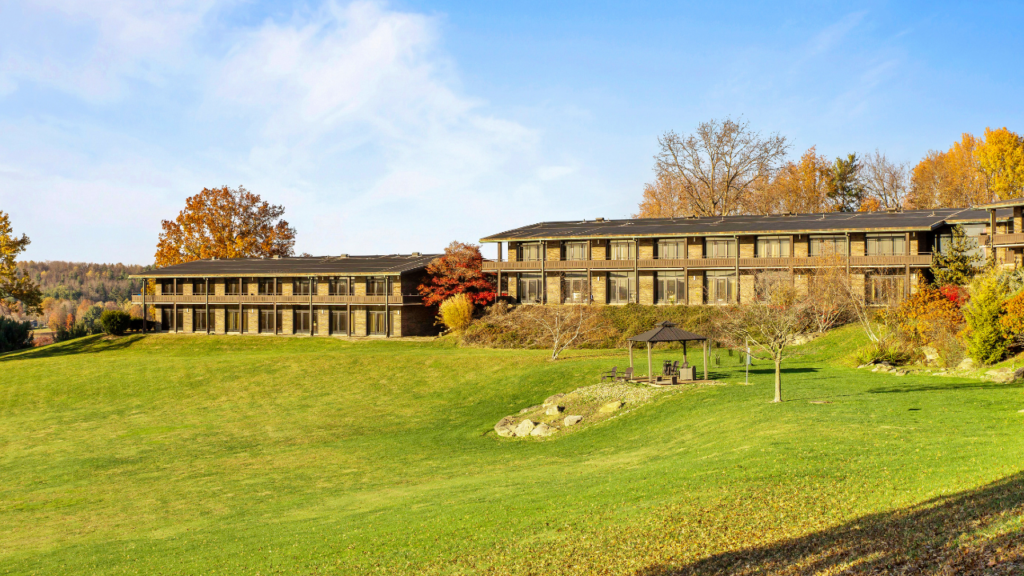
The Bluffs’ location in Sherrodsville, Ohio, offers a peaceful, rural setting that promotes healing while remaining accessible to families throughout Ohio and surrounding states.
Family Involvement
Addiction affects the entire family system, not just the individual struggling with substance use. Quality treatment centers actively involve families through:
- Family therapy sessions
- Family education programming
- Family weekends or visitation days
- Communication updates and progress reports
At The Bluffs, we recognize the critical role families play in supporting long-term recovery and provide multiple opportunities for family engagement throughout treatment.
Aftercare and Alumni Support
Recovery is a lifelong journey that extends far beyond formal treatment. Ask about:
- Aftercare planning and transition support
- Alumni programs and ongoing support groups
- Continuing care services
- Sober living referrals if needed
The Bluffs offers robust continuing care services and maintains an active alumni community, ensuring you have ongoing support as you navigate life in recovery.
Common Questions About Ohio Rehab Centers
How Long Does Treatment Last?
Treatment length varies based on individual needs and the severity of addiction. While 30-day programs are common, research consistently shows that longer treatment durations (60-90 days or more) lead to better outcomes. The appropriate length of stay should be determined by clinical assessment rather than insurance limitations or arbitrary timeframes.
Can I Work During Treatment?
This depends on the level of care. Residential treatment requires a full-time commitment, meaning you’ll need to take leave from work.
What About Confidentiality?
Federal HIPAA laws and 42 CFR Part 2 provide strong privacy protections for individuals in addiction treatment. Treatment centers cannot disclose your participation without your written consent, except in specific legally mandated situations. Your employer and others will not be informed of your treatment unless you authorize such communication.
Will I Be Able to Contact My Family?
Communication policies vary by facility and level of care. Most residential programs allow regular phone calls with family after an initial blackout period (usually 3-7 days) designed to help you focus on treatment. Some facilities provide smartphones or tablets for scheduled communications, while others use shared phones. Visitation is typically allowed after the first week or two of treatment.
What If I Have a Relapse?
Relapse is unfortunately common in recovery, but it doesn’t mean treatment has failed. It’s a signal that your treatment plan needs adjustment. Most Ohio rehab centers, including The Bluffs, welcome individuals back for additional treatment after a relapse. The key is reaching out for help immediately rather than letting a slip become a full-blown relapse.
Taking the First Step Toward Recovery
If you or someone you love is struggling with addiction, reaching out for help is the most important thing you can do. The process of finding the right drug rehab center in Ohio doesn’t have to be overwhelming. By understanding the levels of care available, knowing what to expect during admissions, and being informed about insurance coverage, you’re already on the path toward making an empowered decision.
At The Bluffs, we make the admissions process as simple and stress-free as possible. Our compassionate admissions team is available 24/7 to answer your questions, verify your insurance, and help you take that crucial first step toward recovery. We understand that deciding to seek treatment takes courage, and we’re here to support you throughout this journey.
Don’t let another day pass living under the weight of addiction. The life you deserve is possible. Recovery starts with a single phone call.
Call The Bluffs today at 850-374-5331 to speak with an admissions specialist and begin your journey to lasting recovery.