




Understanding the Stress-Addiction Connection
Stress and addiction share a complex, intertwined relationship. For many individuals in recovery, stress serves as a significant trigger for relapse. Understanding this connection is crucial for developing effective strategies to maintain sobriety.
How Stress Triggers Relapse
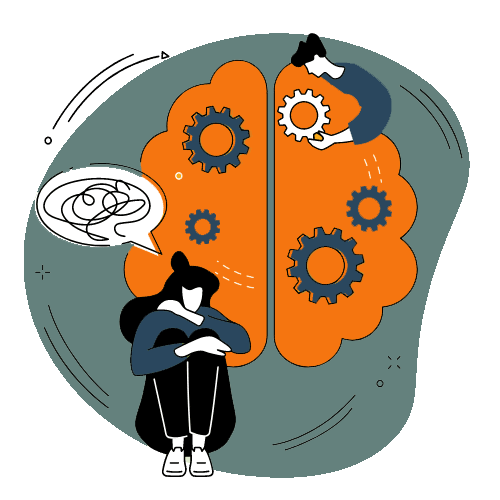
Stress can activate the same neural pathways associated with substance use, making individuals more vulnerable to cravings and potential relapse. Recognizing the physiological and psychological impacts of stress is the first step in developing resilience.
Effective Stress Management Techniques
Mindfulness and Meditation
Practicing mindfulness and meditation can help individuals become more aware of their thoughts and emotions, reducing reactivity to stressors.
Exercise
Regular physical activity releases endorphins, natural stress-fighters that can improve mood and reduce anxiety.
Time Management
Effective time management can reduce the feeling of being overwhelmed, a common source of stress in recovery.
Identifying Personal Stressors
Recovery involves learning to recognize individual stress triggers. This self-awareness is crucial for implementing targeted stress management strategies.

Developing Healthy Coping Mechanisms
Replacing substance use with healthy coping mechanisms is essential for long-term recovery. This might include engaging in hobbies, practicing relaxation techniques, or seeking support from peers.
The Role of Sleep and Nutrition
Adequate sleep and proper nutrition play vital roles in stress management. A well-rested and nourished body is better equipped to handle life’s challenges.
Building Resilience Against Stress-Induced Relapse
Resilience is not innate; it’s a skill that can be developed. Through consistent practice of stress management techniques, individuals can strengthen their ability to withstand stress without turning to substances.
The Bluffs’ Approach to Stress Management
At The Bluffs Addiction Campuses, we recognize the critical role of stress management in recovery. Our treatment programs incorporate comprehensive stress management training, including:
- Individual therapy sessions focused on identifying and managing personal stressors
- Group therapy sessions that provide peer support and shared learning experiences
- Holistic therapies such as yoga and art therapy to promote relaxation and self-expression
Family Support in Stress Management
Family members play a crucial role in supporting their loved ones’ stress management efforts. We encourage families to:
- Educate themselves about stress and addiction
- Practice open communication
- Participate in family therapy sessions
- Create a supportive home environment that minimizes unnecessary stressors
Take the First Step Towards Stress-Free Recovery
If you or a loved one are struggling with addiction and stress management, The Bluffs Addiction Campuses is here to help. Our comprehensive treatment programs address not only substance use but also provide the tools necessary for effective stress management and relapse prevention.
Call us today at 330-919-9228 to learn more about our programs and how we can support your journey to recovery.