



Overview: What Is Medication-Assisted Treatment (MAT) In Ohio?
Medication-assisted treatment, often called MAT, combines medications like Suboxone or methadone with counseling and behavioral therapies to treat opioid use disorder. National groups such as SAMHSA and NIDA recognize MAT as an evidence-based standard of care that improves survival, reduces relapse, and supports long term recovery for people who struggle with opioids.
In Ohio, the Department of Mental Health and Addiction Services also highlights MAT as a key strategy for addressing the opioid crisis. MAT helps stabilize brain chemistry, reduce cravings and withdrawal, and make it easier to focus on therapy, family, work, and school instead of worrying about the next dose or withdrawal symptoms.
At The Bluffs in Sherrodsville, Ohio, MAT is available as part of a full continuum of care that includes medical detox, inpatient rehab, dual diagnosis treatment, and aftercare support. Medications are paired with counseling and evidence-based therapies so that people receive whole person care, not just a prescription.
How Suboxone And Methadone Work
Suboxone and methadone are both medications for opioid use disorder, but they work a little differently in the brain and are delivered in different settings. Understanding these differences can help Ohio families have more informed conversations with their treatment team.
Both medications attach to the same opioid receptors in the brain that drugs like heroin, fentanyl, oxycodone, or hydrocodone affect. When used correctly under medical supervision, they can:
- Reduce or stop withdrawal symptoms
- Calm intense cravings
- Lower the risk of overdose and death compared with no treatment
- Support engagement in counseling and recovery activities
Suboxone (Buprenorphine / Naloxone): Key Facts
Suboxone is a brand name medication that combines buprenorphine and naloxone. Buprenorphine is a partial opioid agonist, which means it activates opioid receptors enough to relieve withdrawal and cravings but has a ceiling effect that lowers the risk of misuse and overdose compared with full agonists. Naloxone is included to discourage injection misuse.
Key points about Suboxone for people in Ohio:
- It can be prescribed by qualified medical providers in offices, hospitals, and treatment centers rather than only in specialized clinics.
- It is usually taken once daily as a dissolving film or tablet under the tongue or inside the cheek.
- When taken as prescribed, it reduces cravings and withdrawal without causing the same type of high associated with other opioids.
- It can be used short term during detox or long term as maintenance treatment.
The Bluffs offers a dedicated Suboxone treatment program in Ohio as part of its broader medication-assisted treatment program. Suboxone is used alongside therapy, support groups, and relapse prevention planning so that medication supports overall recovery rather than standing alone.

Methadone: Key Facts
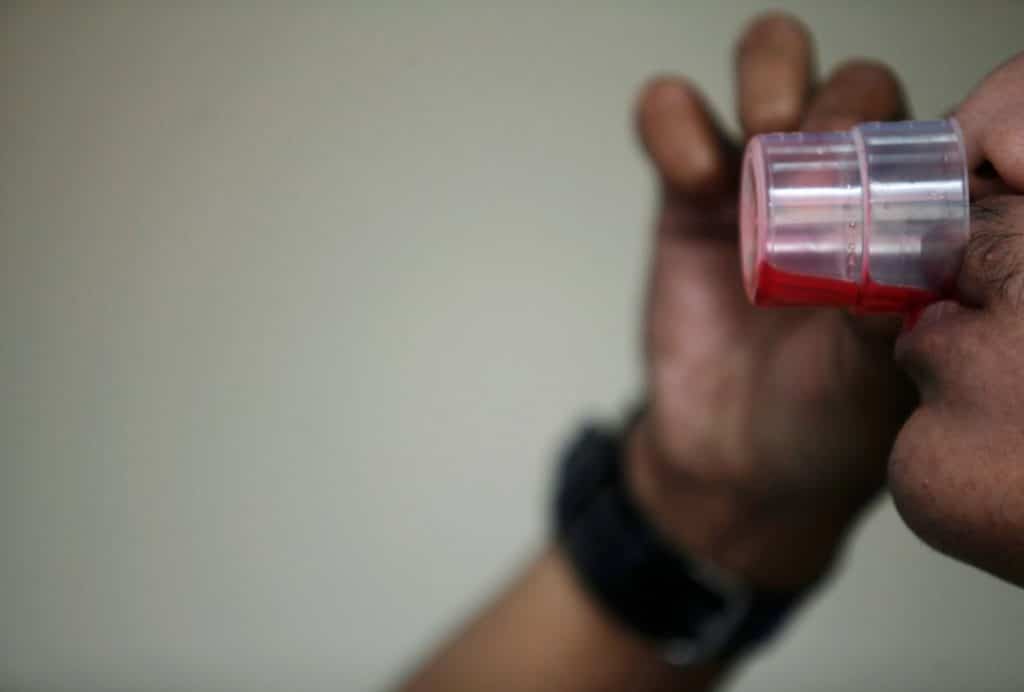
Methadone is a full opioid agonist. It fully activates opioid receptors and can completely block withdrawal and cravings when dosed correctly. It has been used safely and effectively for decades to treat opioid use disorder.
Important details about methadone in Ohio:
- Methadone for opioid use disorder is dispensed only through federally certified opioid treatment programs (OTPs), often called methadone clinics.
- Most patients start with daily visits to the clinic for supervised dosing, with take home doses added later when appropriate.
- Methadone can be a good option for people with very long term or high dose opioid use histories, or for those who have not done well on other medications.
- As with Suboxone, methadone works best when combined with counseling and recovery supports.
The Bluffs does not operate as a methadone clinic. Instead, the team often supports people who have misused methadone or who want to transition away from methadone. The Bluffs offers a specialized program for methadone addiction treatment in Ohio which typically begins with medically monitored detox and may use other medications, such as buprenorphine based options, when clinically appropriate.
Suboxone vs Methadone In Ohio: Side By Side Comparison
If you search for “Suboxone vs methadone Ohio” you will find many opinions. The reality is that both medications are effective. The better option depends on your history, health, goals, and access to care. Below is a simple comparison to guide discussion with your provider.
- Medication Type: Suboxone uses buprenorphine, a partial agonist. Methadone is a full agonist.
- Access: Suboxone can be prescribed in offices and treatment centers. Methadone must be given through a certified opioid treatment program.
- Risk Of Misuse: Both have risks, but Suboxone’s ceiling effect and the presence of naloxone reduce overdose risk when used as directed.
- Daily Routine: Suboxone can often be taken at home after an initial stabilization period. Methadone usually requires daily or near daily clinic visits at first.
- Flexibility For Rural Areas: Suboxone can be more accessible for people in rural Ohio who live far from methadone clinics.
- History Of Use: People with very high dose or long duration opioid use may be better candidates for methadone. Others may do well on Suboxone.
Neither medication is “stronger” or “weaker” in a simple way. The most important question is which option helps you stay safe, avoid relapse, and build a life that is not centered on opioids.
Who Is A Good Candidate For Suboxone MAT In Ohio?
Suboxone can be a strong option for many people in Ohio with opioid use disorder. In general, it may be considered when:
- You have opioid withdrawal or cravings that make it hard to stop using on your own.
- You can take a daily medication consistently, either in a supervised setting or at home.
- You do not have medical conditions or medications that strongly conflict with buprenorphine.
- You can participate in counseling and recovery activities in addition to medication.
- You live in an area without easy access to a methadone clinic, or you prefer a medication that can be prescribed through a treatment center like The Bluffs.
At The Bluffs, the clinical team completes a full medical and mental health assessment before starting Suboxone or any other medication. MAT is never one size fits all. The right plan also considers co occurring mental health conditions, past treatment experiences, and your preferences.
When Might Methadone Be Recommended Instead?
Some people in Ohio may be better served by methadone through an opioid treatment program rather than Suboxone. This might include individuals who:
- Have used very high doses of opioids for many years.
- Have tried Suboxone in the past without enough relief from cravings or withdrawal.
- Benefit from the built in structure of daily clinic visits.
If you or a loved one is already enrolled in a methadone program, an inpatient stay at a place like The Bluffs can still help. The inpatient team can address co occurring mental health issues, trauma, or stimulant and alcohol use, and coordinate with your methadone clinic when appropriate. If you want to change medications, this must always be done with medical guidance to avoid withdrawal or overdose.
MAT In Ohio: Access, Laws, And Local Context
Ohio has been heavily impacted by the opioid crisis, which makes access to MAT even more important. The state’s Department of Behavioral Health recognizes medication-assisted treatment as a key part of the response and provides information on finding programs that offer buprenorphine, methadone, and naltrexone.
A few Ohio specific points about MAT:
- Opioid treatment programs that dispense methadone must meet federal and state standards and are listed in national treatment locators.
- Many Ohio hospitals, clinics, and rehab centers, including The Bluffs, now offer buprenorphine based MAT such as Suboxone.
- MAT is often combined with counseling, peer support, and case management to address housing, employment, and legal issues.
If you are unsure where to start, you can search for opioid treatment providers by ZIP code and filter for programs that offer medications through national resources like FindTreatment.gov, then contact The Bluffs to see how inpatient rehab and MAT can fit into your overall plan.
MAT At The Bluffs: How Our Ohio Program Works
The Bluffs provides medication-assisted treatment within a comprehensive residential setting in Sherrodsville, Ohio. MAT is one tool among many that support people who want life without active opioid addiction.
Assessment And Medically Monitored Detox
For many people, care starts with medical detox in Ohio at The Bluffs. During detox, the medical team monitors withdrawal symptoms, vital signs, and overall safety. Medications, including Suboxone when appropriate, may be used to ease symptoms and reduce the risk of complications. Detox prepares your body and mind for the next phase of treatment.
Inpatient Rehab With MAT Support
After detox, many patients move into the inpatient treatment program at The Bluffs. Here, MAT can continue as part of a structured daily schedule that may include:
- Individual therapy focused on coping skills, relapse prevention, and trauma.
- Group counseling and psychoeducation.
- Family sessions when appropriate.
- Peer support and 12 Step or alternative recovery groups.
- Recreational and wellness activities on the scenic campus.
The goal is not just to stabilize withdrawal, but to understand the role opioids have played in your life and to build new ways of coping. MAT gives your brain a chance to heal while you work through those changes.
Support For Suboxone Or Methadone Misuse
Some people come to The Bluffs because they have started to misuse Suboxone or methadone rather than using these medications as prescribed. The Bluffs offers separate programs for Suboxone addiction treatment and methadone addiction treatment in Ohio. In these cases, the team focuses on:
- Safely tapering or transitioning medications when appropriate.
- Addressing underlying pain, trauma, or mental health concerns.
- Rebuilding a healthier relationship with treatment and recovery.
Aftercare And Alumni Support
Recovery does not end at discharge. The Bluffs offers step down options and an alumni program with check ins and groups to help you stay connected after inpatient rehab. The team can also coordinate with outpatient MAT providers in your Ohio community so that Suboxone or other medications continue safely after you return home.
How Long Does MAT Last?
There is no single timeline for medication-assisted treatment. National guidelines from NIDA, SAMHSA, and professional groups like ASAM emphasize that buprenorphine and methadone can be used safely for months, years, or even a lifetime when monitored by a provider.
Key points to remember:
- Stopping MAT too early can increase the risk of relapse and overdose, especially if tolerance has decreased.
- Decisions about tapering should always be shared decisions between you and your treatment team.
- The focus is on stability, safety, and quality of life, not on finishing medication by a certain date.
At The Bluffs, the team will talk with you about goals for MAT, review how the medication is working, and adjust the plan over time. Some people taper after a period of stability. Others remain on maintenance longer. Both options can be valid, depending on your situation.
Costs, Insurance, And Ohio Medicaid For MAT
Cost is a common concern for Ohio families who are considering MAT and inpatient rehab. The good news is that most health plans, including many Ohio Medicaid plans and employer sponsored insurance, provide coverage for evidence-based addiction treatment and medications under mental health parity laws.
The Bluffs works with many insurance providers and offers tools to make the financial side easier:
- You can review insurances accepted at The Bluffs to see common plans.
- You can complete a quick, confidential form through the insurance verification page to learn about your specific benefits.
- The admissions team can also discuss deductible, copay, or self pay options when needed.
If you are uninsured, partially insured, or have questions about Ohio Medicaid and MAT, The Bluffs can point you toward state and county level resources that may help, and can help you think through a practical plan to access care.
How To Compare MAT Programs In Ohio
Not every MAT program in Ohio looks the same. When you evaluate options for Suboxone or methadone related treatment, consider the following quality checks:
- Licensing and accreditation through state agencies and national accrediting bodies.
- Availability of all three FDA approved medications for opioid use disorder in the broader system, or clear coordination with outside methadone clinics.
- Integration of counseling, mental health care, and peer support rather than medication alone.
- Experience with dual diagnosis, trauma, and other substance use such as alcohol or stimulants.
- Clear policies on overdose prevention, naloxone education, and relapse planning.
- Support for families, including education about MAT and how to respond to relapse risk.
The Bluffs emphasizes evidence-based care, dual diagnosis treatment, and a structured inpatient setting that allows people to focus fully on recovery while starting or stabilizing MAT.
Why People Across Ohio Choose The Bluffs For MAT
The Bluffs is located in Sherrodsville in eastern Ohio, within reach of communities such as Canton, Akron, Cleveland, Youngstown, and Columbus. The campus sits on a former resort property, which gives it a peaceful, retreat like setting that many patients and families appreciate during the early stages of recovery.
People choose The Bluffs for MAT and inpatient rehab in Ohio because the program offers:
- Medical detox and residential treatment under one roof.
- On site Suboxone based MAT and support for people who have misused Suboxone or methadone.
- Experienced clinicians, nurses, and support staff with training in addiction and mental health.
- Evidence-based therapies, including cognitive behavioral approaches, motivational interviewing, and relapse prevention.
- Dual diagnosis care for depression, anxiety, PTSD, and other conditions that often occur with opioid use disorder.
- An alumni program and continuing support after discharge.
How To Start MAT In Ohio With The Bluffs
If you are searching for “MAT Ohio” or “Suboxone vs methadone Ohio” because you are worried about yourself or someone you love, you do not have to figure this out alone. A short phone call with an admissions specialist can help you understand options, insurance coverage, and next steps.
You can:
- Call The Bluffs anytime at the number listed on the website to talk with the admissions team.
- Use the contact form to request a call back or ask questions.
- Submit the insurance verification form to check your coverage for MAT and inpatient rehab.
If you or someone near you is in immediate danger due to overdose, call 911 right away. For a mental health or substance use crisis, you can call or text 988 to reach the Suicide and Crisis Lifeline, which is available 24 hours a day.
Local And State Resources For Ohio Residents
In addition to The Bluffs, Ohio residents can use statewide and national resources to find help:
- Ohio Department of Mental Health and Addiction Services MAT Information – State level information about medication-assisted treatment and how it fits into Ohio’s response to the opioid crisis.
- FindTreatment.gov – A confidential federal locator for substance use and mental health treatment programs, including those that offer MAT.
- SAMHSA Treatment and Helpline Resources – Links to the National Helpline, treatment locators, and other supports.
- 988 Suicide and Crisis Lifeline – Call or text 988 for 24/7 crisis support for mental health or substance use concerns.
These resources do not replace inpatient care or MAT at a rehab center, but they can help you locate nearby services, crisis support, and ongoing community based help.
Resources
For more information on medication-assisted treatment and opioid use disorder, you can explore:
- National Institute on Drug Abuse: Medications for Opioid Use Disorder
- SAMHSA TIP 63: Medications for Opioid Use Disorder
- Ohio Department of Mental Health and Addiction Services: Medication-Assisted Treatment
- FindTreatment.gov National Treatment Locator
- 988 Suicide and Crisis Lifeline
This article is for general education only and is not a substitute for medical advice. Always talk with a qualified healthcare professional about your specific situation and treatment options.