


Stress management becomes one of the most critical skills in recovery, as stress often served as a primary trigger for substance use before treatment. Learning to handle life’s inevitable pressures without turning to drugs or alcohol requires developing new coping strategies and changing how you respond to challenging situations.
During active addiction, substances became the go-to solution for managing everything from daily frustrations to major life crises. Recovery means rebuilding your stress response system from the ground up, creating healthier patterns that support long-term sobriety.
Understanding Stress in Recovery
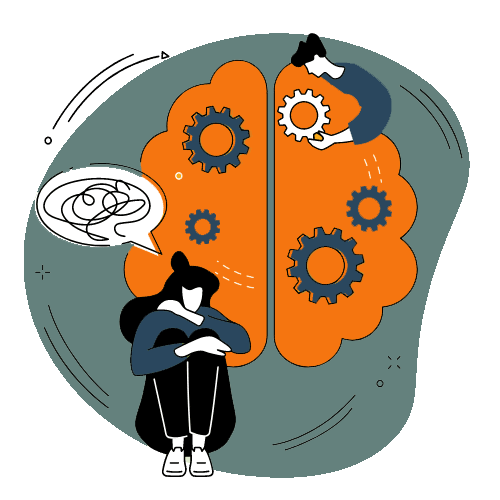
Early recovery often brings heightened stress sensitivity as your brain and body adjust to functioning without substances. What once seemed manageable may now feel overwhelming, and normal life stressors can trigger intense cravings or emotional responses.
This increased stress sensitivity is temporary but requires patience and self-compassion as you develop new coping skills. Your nervous system is essentially learning how to regulate itself naturally again, a process that takes time and practice.
Recognizing your personal stress triggers helps you prepare for challenging situations rather than being caught off guard. Common triggers include work pressure, relationship conflicts, financial concerns, health issues, or even positive changes that create uncertainty.
Physical Stress Management Techniques
Exercise provides one of the most effective natural stress relief methods, releasing endorphins that improve mood while reducing anxiety and tension. You don’t need intense workouts – even a 20-minute walk can significantly impact stress levels and mental clarity.
Deep breathing exercises offer immediate stress relief that you can use anywhere. Practice slow, intentional breathing where you inhale for four counts, hold for four, and exhale for six. This activates your body’s relaxation response and helps interrupt stress cycles.
Progressive muscle relaxation involves systematically tensing and releasing different muscle groups throughout your body. This technique helps you recognize where you hold tension and teaches your body how to relax consciously.
Regular sleep schedules become crucial for stress management, as sleep deprivation dramatically increases stress sensitivity and reduces your ability to cope with challenges. Prioritize seven to eight hours of quality sleep each night.
Mental and Emotional Coping Strategies
Mindfulness practices help you observe stressful thoughts and feelings without being overwhelmed by them. Even five minutes of daily meditation can improve your ability to stay calm during difficult situations and reduce overall anxiety levels.
Cognitive reframing involves challenging negative thought patterns and finding more balanced perspectives on stressful situations. Instead of catastrophizing problems, practice asking yourself what you can control and what realistic solutions might exist.
Journaling provides an outlet for processing emotions and identifying patterns in your stress responses. Writing about your feelings helps organize your thoughts and often reveals solutions that weren’t immediately obvious.
Setting realistic expectations for yourself prevents unnecessary stress from perfectionism or unrealistic goals. Recovery is a gradual process, and accepting this reality reduces pressure while supporting sustainable progress.
Building Social Support Networks
Connecting with others in recovery provides understanding and encouragement from people who share similar experiences. Support groups offer regular opportunities to share challenges and learn how others handle stressful situations.
Maintaining healthy relationships with family and friends creates a network of people you can turn to during difficult times. This might mean setting boundaries with those who create stress while strengthening connections with supportive individuals.
Professional counseling provides ongoing support for developing stress management skills and processing underlying issues that contribute to stress sensitivity. Therapists can teach personalized techniques based on your specific needs and challenges.
Learning to ask for help when you need it prevents stress from building to overwhelming levels. Many people in recovery struggle with independence after feeling like a burden during active addiction, but seeking support is actually a sign of strength and wisdom.
Creating Structure and Routine
Predictable daily routines reduce stress by eliminating constant decision-making and creating stability in your environment. This doesn’t mean rigid schedules, but rather consistent patterns that provide comfort and security.
Time management skills help prevent the stress that comes from feeling overwhelmed by responsibilities. Breaking large tasks into smaller steps makes them more manageable while providing a sense of accomplishment as you complete each part.
Prioritizing tasks helps you focus energy on what’s most important rather than feeling scattered by multiple competing demands. Learn to distinguish between urgent and important tasks, handling true priorities first.
Building buffer time into your schedule prevents the stress of running late or feeling rushed. Allow extra time for travel, appointments, and tasks so unexpected delays don’t create panic.
Developing Healthy Outlets
Creative activities like art, music, or writing provide emotional outlets that reduce stress while building self-expression skills. These activities offer healthy ways to process emotions and can become sources of joy and accomplishment.
Spending time in nature has proven stress-reduction benefits, lowering cortisol levels and improving mood. Even urban green spaces like parks can provide these benefits if wilderness areas aren’t accessible.
Helping others through volunteer work or simple acts of kindness shifts focus away from personal stress while building meaning and purpose. This connection to something larger than yourself provides perspective during difficult times.
Engaging in hobbies or learning new skills creates positive focus areas that build confidence and provide enjoyable distractions from stress. These activities also help rebuild identity beyond addiction.
When Stress Becomes Overwhelming
Recognizing warning signs that stress is becoming unmanageable helps you seek additional support before reaching crisis levels. These might include sleep problems, appetite changes, increased irritability, or persistent thoughts about using substances.
Having an emergency action plan for high-stress situations prevents impulsive decisions during vulnerable moments. This plan might include specific people to call, places to go, or activities that help you regain perspective.
Professional help becomes essential when stress consistently interferes with daily functioning or creates strong urges to use substances. Additional therapy, medication evaluation, or intensive outpatient services might be necessary.
Remember that experiencing stress doesn’t mean you’re failing in recovery – it means you’re human. The goal isn’t to eliminate stress but to develop healthy ways of managing it that support your continued sobriety and well-being.
Building Long-Term Resilience
At The Bluffs, we understand that learning to manage stress without substances is a fundamental recovery skill that requires ongoing practice and support. Our comprehensive treatment programs teach evidence-based stress management techniques while helping you develop personalized coping strategies that fit your lifestyle and needs.
We recognize that everyone experiences and responds to stress differently, which is why our approach focuses on finding the combination of techniques that work best for you. Through individual therapy, group sessions, and holistic wellness activities, we help you build a toolkit of healthy stress management strategies.
Recovery is a journey of learning new ways to navigate life’s challenges, and stress management skills form the foundation of long-term success. With the right tools and support, you can develop confidence in your ability to handle whatever life brings without compromising your sobriety.
If you’re struggling with stress management in recovery or want to learn more about developing healthy coping strategies, call 850-374-5331 to speak with one of our specialists. Building these essential life skills takes time and practice, but the investment in your well-being is worth every effort.