




Benzodiazepines work. That’s the problem. Medications like Xanax, Valium, Ativan, and Klonopin calm the nervous system so effectively that the brain adapts to their presence. When someone tries to stop taking them after weeks or months of regular use, the brain struggles to regain balance on its own. The result is a withdrawal syndrome that can range from deeply uncomfortable to medically dangerous.
Unlike opioid or stimulant withdrawal, which are rarely life-threatening despite being miserable, benzodiazepine withdrawal can cause seizures. It can cause delirium. In severe cases, it can kill. This makes benzos one of the few substances where quitting cold turkey poses serious medical risks, and why medical detox is not optional for many people trying to stop.
How Benzodiazepines Change the Brain
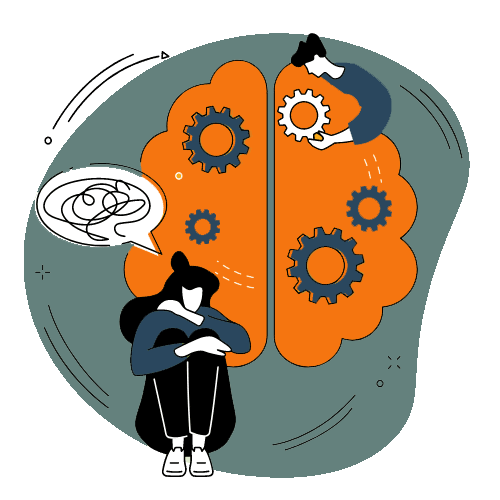
Benzodiazepines enhance the effects of gamma-aminobutyric acid (GABA), the brain’s primary inhibitory neurotransmitter. GABA essentially tells neurons to slow down. When benzos amplify GABA activity, the result is reduced anxiety, muscle relaxation, sedation, and protection against seizures. The medications do exactly what they’re designed to do.
With regular use, however, the brain compensates. It downregulates GABA receptors and becomes less sensitive to the neurotransmitter’s calming influence. At the same time, excitatory systems adjust to operate against the drug’s depressant effects. When the medication is suddenly removed, the brain finds itself in a hyperexcitable state with diminished natural braking mechanisms. This neurological rebound is what drives withdrawal symptoms.
The longer someone uses benzodiazepines and the higher the dose, the more pronounced these brain changes become. Short-acting benzos like Xanax and Ativan, which clear the body quickly, tend to produce more intense withdrawal than longer-acting medications like Valium or Klonopin. But anyone who has taken these drugs daily for several weeks or longer should expect some degree of withdrawal if they stop abruptly.
What Benzodiazepine Withdrawal Feels Like
Benzo withdrawal typically unfolds in phases. The early stage often begins within hours to days of the last dose, depending on which medication was used. People frequently experience a return of the symptoms benzos were treating, like anxiety and insomnia, often at intensified levels. This “rebound” effect can feel like the original problem has returned worse than before.
The acute phase, usually lasting one to four weeks, brings the most intense symptoms. These commonly include severe anxiety and panic, insomnia, irritability and agitation, muscle tension and tremors, sweating and increased heart rate, nausea and sometimes vomiting, difficulty concentrating, and sensory hypersensitivity to light, sound, and touch. Some people experience perceptual disturbances or depersonalization, a sense of being disconnected from oneself or one’s surroundings.
The most dangerous acute withdrawal symptoms are seizures and delirium. Grand mal seizures can occur even in people with no history of epilepsy and may happen without warning. Delirium involves severe confusion, disorientation, and sometimes hallucinations. Both require immediate medical intervention and are the primary reasons benzo withdrawal can be fatal without proper supervision.
For some people, a protracted withdrawal phase follows. Lingering symptoms like anxiety, insomnia, depression, and cognitive difficulties may persist for months, gradually improving over time. Research suggests roughly 10 to 25 percent of long-term benzo users experience these extended symptoms, which can wax and wane unpredictably.
Why Cold Turkey Is Dangerous
The Substance Abuse and Mental Health Services Administration (SAMHSA) and other health authorities are clear: benzodiazepine withdrawal should not be attempted without medical supervision, particularly for anyone who has used these medications at high doses or for extended periods. The American Society of Addiction Medicine (ASAM) recommends gradual dose reductions of 5 to 10 percent every two to four weeks for most patients, with tapers never exceeding 25 percent every two weeks.
Stopping benzos suddenly after significant use is medically risky for several reasons. First, the timeline and severity of withdrawal are unpredictable. Factors like age, overall health, liver function, use of other substances, and the specific benzodiazepine all influence how withdrawal unfolds. Second, seizures can occur without warning, even in people who initially seem to be tolerating withdrawal well. Third, severe psychological symptoms can impair judgment and lead to self-harm or relapse at dangerous levels.
Some populations face elevated risks during benzo withdrawal. Older adults are more susceptible to falls, cardiac events, and pronounced confusion. Pregnant women must balance maternal withdrawal risks against potential effects on the fetus. People with co-occurring mental health conditions may experience dramatic worsening of psychiatric symptoms as the medication clears their system.
What Medical Detox Provides
Medical detox for benzodiazepines typically involves a controlled taper, where the dose is gradually reduced over days to weeks depending on the situation. In many cases, clinicians convert patients from shorter-acting benzos to longer-acting ones like diazepam (Valium) or clonazepam (Klonopin), which produce smoother, more manageable withdrawal curves.
Around-the-clock medical monitoring allows staff to track vital signs, assess symptom severity, and intervene quickly if complications arise. Medications can be administered to manage specific symptoms: anticonvulsants to reduce seizure risk, medications for anxiety and insomnia, treatments for nausea or other physical discomfort. The goal is to keep the person as safe and comfortable as possible while their brain chemistry recalibrates.
Inpatient medical detox is generally recommended for anyone who has used high doses of benzos, has used them for extended periods, has failed previous outpatient taper attempts, uses alcohol or other substances concurrently, or has underlying medical or psychiatric conditions that complicate withdrawal. Outpatient tapering may be appropriate for people with lower doses, shorter use histories, strong support systems, and no other complicating factors, but this decision should be made with medical guidance.
After Detox: Addressing the Underlying Addiction
Detox clears the drug from the body and manages acute withdrawal. It does not, by itself, treat addiction. The psychological components of benzodiazepine dependence, including learned coping mechanisms, underlying anxiety or trauma, and habitual patterns of use, require ongoing therapeutic work to address.
Evidence-based behavioral therapies form the backbone of addiction treatment. Cognitive-behavioral therapy (CBT) helps people identify and change thought patterns that contribute to substance use. Dialectical behavior therapy (DBT) builds emotional regulation and distress tolerance skills. Both approaches teach practical coping strategies to replace reliance on medication.
Many people who develop benzodiazepine dependence have co-occurring mental health conditions, the anxiety disorders, insomnia, or trauma that led to the original prescription. Integrated treatment that addresses both addiction and mental health simultaneously produces better outcomes than treating either condition in isolation.
What to Expect During a Typical Detox Stay
The process generally begins with a comprehensive assessment: medical history, substance use history, current medications, mental health evaluation, and physical examination. This information guides the individualized treatment plan.
During detox, patients receive regular monitoring of vital signs and symptoms. Medication adjustments are made as needed based on how the person responds. Nutritional support, hydration, and rest are prioritized. Many programs introduce patients to therapeutic concepts and peer support during this phase, laying groundwork for the treatment that follows.
Length of stay varies considerably. Some people stabilize within a week; others need two weeks or longer, particularly if they were taking high doses or have complicated medical situations. The focus is on safe, sustainable stabilization rather than rushing through the process.
Before discharge from detox, the treatment team works with patients to plan next steps. This usually means transition to a residential treatment program or intensive outpatient program, depending on individual circumstances and clinical recommendations. Detox alone, without follow-up treatment, carries high relapse risk.
Paying for Benzodiazepine Detox and Treatment
Most health insurance plans cover at least some portion of medically necessary detoxification. Coverage specifics vary by plan, so verifying benefits before admission helps clarify out-of-pocket costs. Ohio Medicaid covers substance use disorder treatment, including detox, for eligible residents.
Under the Mental Health Parity and Addiction Equity Act, insurance plans that cover mental health and substance use treatment cannot impose stricter limits on those services than on medical and surgical benefits. If you encounter coverage denials that seem inappropriate, appealing the decision is often worthwhile.
Treatment facilities typically have staff who assist with insurance verification and can explain what to expect financially. For those without insurance or with limited coverage, state-funded programs and sliding-scale payment options may be available.
Finding Quality Benzodiazepine Detox in Ohio
When evaluating detox programs, several factors indicate quality care. Accreditation from organizations like the Joint Commission or CARF demonstrates that a facility meets established standards for safety and treatment practices. Medical oversight by physicians trained in addiction medicine, such as those certified by the American Board of Addiction Medicine (ABAM), ensures appropriate clinical decision-making. Individualized treatment planning, use of evidence-based protocols, and clear pathways to continuing care after detox are all positive signs.
Questions to ask potential programs include: Who provides medical oversight during detox? What is the staff-to-patient ratio? What protocols do you use for benzo withdrawal? How long does detox typically last? What happens after detox is complete? Do you treat co-occurring mental health conditions? What insurance do you accept?
Benzo Detox at The Bluffs in Ohio
The Bluffs, located in Sherrodsville, Ohio, provides medically supervised detox for benzodiazepines alongside alcohol and opioid withdrawal management. The medical director is certified by the American Board of Addiction Medicine, and the facility holds accreditation from both the Joint Commission and CARF.
Detox at The Bluffs includes around-the-clock nursing oversight, individualized tapering protocols, medication support when clinically appropriate, and nutritional care from on-site dietitians. The program is designed to transition seamlessly into residential treatment or other appropriate levels of care, with evidence-based therapies including CBT, DBT, and dual-diagnosis treatment for co-occurring mental health conditions.
The Bluffs accepts most major insurance plans and offers confidential insurance verification to help prospective patients understand their coverage. The facility serves residents throughout Ohio and neighboring states including West Virginia, Pennsylvania, and New York.
Taking the First Step
If you or someone you care about is dependent on benzodiazepines, the safest path forward involves professional help. Medical detox provides the monitoring, medication support, and expertise needed to navigate withdrawal safely. What follows, the therapy and skill-building of treatment, creates the foundation for lasting recovery.
To learn more about benzodiazepine detox and treatment options at The Bluffs, call (330) 919-9228 or visit the contact page to connect with the admissions team. Insurance verification is available around the clock, and staff can walk you through what to expect from the first call through arrival.
Ohio Resources for Substance Use Support
Beyond treatment programs, Ohio residents have access to several resources for information and support. The Ohio Department of Mental Health and Addiction Services provides information on treatment options and funding assistance. SAMHSA’s National Helpline (1-800-662-4357) offers free, confidential referrals 24/7 in English and Spanish. Local meetings of support groups like AA, NA, and SMART Recovery can be found through online directories and provide peer support during and after treatment.
If you or someone you know is in crisis, contact the 988 Suicide and Crisis Lifeline by calling or texting 988 for immediate support. For medical emergencies, call 911.
Learn More
American Society of Addiction Medicine (ASAM)
National Institute on Drug Abuse (NIDA): Commonly Used Drugs