Gabapentin is one of the most prescribed medications in the United States, and Ohio has taken the unusual step of monitoring it through the same prescription drug tracking system used for opioids. If you’re wondering whether your gabapentin use has crossed a line, or if someone you love has started taking more than prescribed, that concern is worth paying attention to. You’re not the first person to be caught off guard by a medication that seemed harmless.
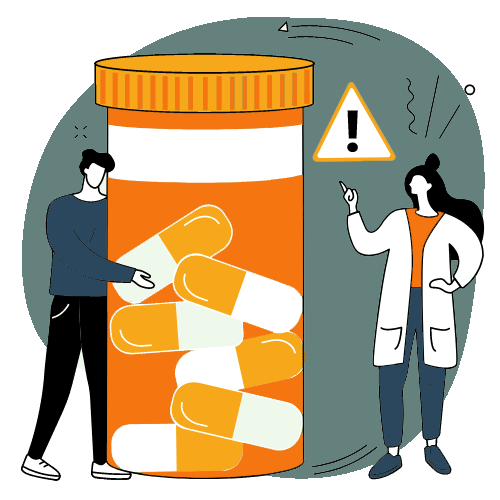
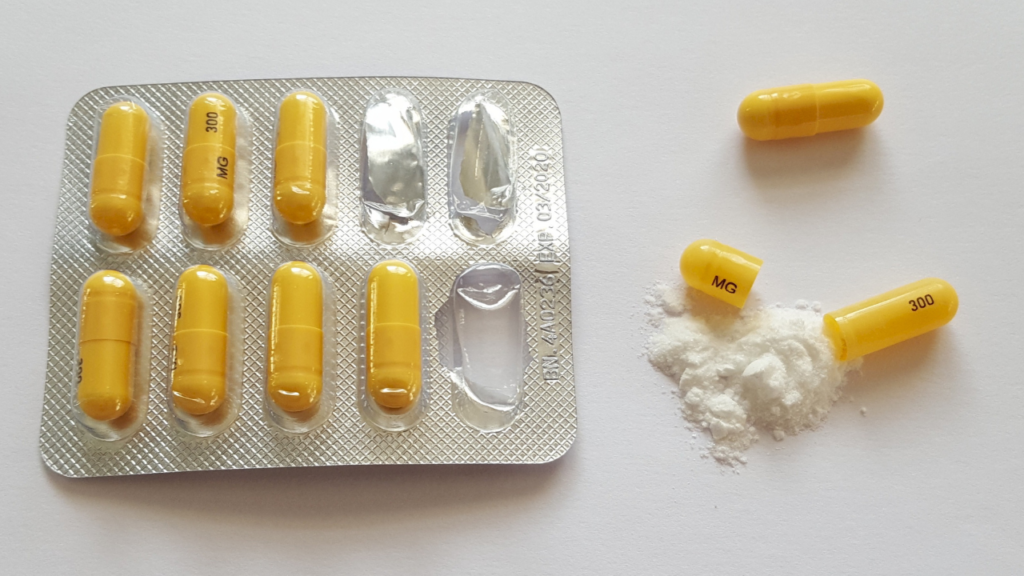
Gabapentin is an anticonvulsant medication originally approved to treat seizures and nerve pain. It is not a controlled substance at the federal level. But Ohio requires every gabapentin prescription to be reported to OARRS, the same database that tracks opioids, benzodiazepines, and other controlled drugs. The state did this because gabapentin misuse is rising and the drug frequently shows up alongside opioids in Ohio overdose deaths.
What Is Gabapentin, and Why Is It So Widely Prescribed?
Gabapentin is an anticonvulsant drug sold under brand names like Neurontin, Gralise, and Horizant. The FDA approved it in 1993 for partial seizures and postherpetic neuralgia, the nerve pain that follows shingles. Since then, doctors have increasingly prescribed it off-label for anxiety, fibromyalgia, restless leg syndrome, migraines, and general neuropathic pain.
In 2019, U.S. pharmacies dispensed roughly 69 million gabapentin prescriptions, making it the seventh most commonly prescribed medication in the country. When a drug is prescribed that widely, even a small percentage of misuse creates a large number of people at risk. Gabapentin’s reputation as a “safe” alternative to opioids fueled its rapid growth, but that reputation is proving more complicated than originally believed.
How Gabapentin Misuse Happens, Even With a Prescription
The Difference Between Dependence and Abuse
Physical dependence on gabapentin can develop in anyone who takes it regularly for more than a few weeks, especially at higher doses. Dependence means your body has adapted to the drug and needs it to function normally. That can happen even when you’re following the prescription exactly. Abuse is different: taking more than prescribed, combining it with other substances, or obtaining it from multiple sources.
The line between the two blurs easily. You take an extra pill on a bad pain day, notice the calming effect, reach for it when you’re anxious. The dose creeps up. Tolerance builds. If this sounds familiar, it doesn’t mean you’ve done something wrong. It means the drug is working on your brain chemistry in ways that pull toward escalation.
Why People Struggling With Opioid Use Are Especially Vulnerable
Gabapentin amplifies the effects of opioids. At high doses, it produces its own mild euphoria, but the real danger is in combination. According to CDC data published in the Morbidity and Mortality Weekly Report, 85 to 90 percent of overdose deaths where gabapentin was detected also involved an opioid. In many of those cases, the opioid was illicitly manufactured fentanyl.
For someone already struggling with opioid use disorder, gabapentin can become a way to stretch a supply or intensify a high. It’s inexpensive and, until recently, was easy to obtain from multiple prescribers without anyone noticing. For a loved one trying to understand what’s happening, this combination is the risk factor that matters most. Gabapentin alone is rarely fatal. Gabapentin with opioids changes the math entirely.
Why Ohio Is Treating Gabapentin Like an Opioid Crisis
Ohio’s Monitoring Decision and What It Means
Ohio has not technically classified gabapentin as a Schedule V controlled substance, as states like Kentucky, West Virginia, and Virginia have done. What Ohio did instead is arguably more practical. Since December 2016, the Ohio Board of Pharmacy has required every gabapentin prescription dispensed in the state to be reported to OARRS. Pharmacists must review a patient’s OARRS report before dispensing gabapentin when a new prescription appears, when the patient comes from outside the pharmacy’s usual area, or when there are signs of potential abuse or diversion.
In practice, gabapentin is tracked in Ohio with the same tools applied to opioids and benzodiazepines. Prescribers must include the days’ supply on gabapentin prescriptions, just as they do for controlled substances. The state stopped short of full scheduling, but the monitoring infrastructure is functionally the same.
What the Data From Ohio Shows
Ohio had reason to act early. According to OARRS data analyzed by the Ohio Board of Pharmacy, nearly 25 percent of Ohio patients receiving gabapentin in 2020 were getting prescriptions from more than one prescriber. That pattern, known as “doctor shopping” when it involves controlled substances, is a strong indicator of misuse or diversion.
Nationally, the numbers back Ohio’s concern. A CDC analysis of overdose deaths across 23 states and Washington, D.C. found gabapentin in about 10 percent of all overdose deaths during 2019 and 2020. In more than half of those cases, a medical examiner determined gabapentin contributed to the death. The number of deaths with gabapentin detected roughly doubled between early 2019 and mid-2020. And because gabapentin is not uniformly tested for in postmortem toxicology, those figures are almost certainly an undercount.
Signs That Gabapentin Use Has Become a Problem
Prescription medication dependency carries a particular kind of confusion. A doctor gave you this drug. It came from a pharmacy. Recognizing that it has become a problem requires honesty with yourself, or the willingness of someone who cares about you to name what they’re seeing.
Ask yourself whether any of the following apply:
- You’ve been taking more gabapentin than prescribed, or taking it more often than directed.
- You’ve obtained gabapentin from someone other than your prescriber, or from multiple doctors.
- You feel anxious or physically unwell when you miss a dose or run out early.
- You’ve combined gabapentin with alcohol, opioids, or benzodiazepines to increase its effects.
- You’ve hidden your gabapentin use or the amount you take from people close to you.
- You’ve continued using gabapentin despite negative effects on your work, relationships, or health.
For a loved one: changes in mood, drowsiness, coordination problems, slurred speech, and new secrecy around medication are common signs. Prescriptions running out early or visits to multiple doctors can point to misuse.
If what you’re reading sounds familiar, a confidential conversation with our team can help you understand your options. There’s no obligation, just clarity. Call (330) 919-9228 or visit our contact page to reach The Bluffs.
Getting Help for Gabapentin Dependency in Ohio
Gabapentin withdrawal is not something to manage alone. Symptoms can start within 12 hours of the last dose and may include anxiety, insomnia, nausea, sweating, and tremors. For people taking high doses or those with a seizure history, abrupt discontinuation carries a risk of seizures, including status epilepticus. A medically supervised taper is the safest path.
At The Bluffs in Sherrodsville, Ohio, gabapentin dependency is treated the way any substance use disorder should be: with medical detox that prioritizes safety, followed by individualized therapy that addresses the reasons the dependency took hold. Many people who develop a problem with gabapentin are also dealing with chronic pain, anxiety, trauma, or a co-occurring opioid use disorder. Treating the gabapentin use alone is a half-measure.
The Bluffs is a residential treatment center on 80 acres in rural Tuscarawas County, serving clients from Cleveland, Columbus, Akron, Canton, Pittsburgh, and surrounding communities. Accredited by the Joint Commission, CARF, and ASAM, treatment plans incorporate cognitive-behavioral therapy, EMDR, dialectical behavior therapy, and experiential approaches built around each client’s history. The typical stay runs 28 to 34 days, with medically supervised detox available on-site for those who need withdrawal management first.
If you’re concerned about cost, most major insurance plans cover residential substance use disorder treatment. Ohio Medicaid and many commercial insurers are accepted. You can verify your insurance online or call (330) 919-9228 to speak with an admissions specialist.
Frequently Asked Questions
Can You Get Addicted to Gabapentin if It Was Prescribed by a Doctor?
Yes. Physical dependence can develop with regular use, even at prescribed doses. Addiction, which involves compulsive use despite negative consequences, can follow. A doctor’s prescription does not eliminate the risk, particularly with long-term or higher-dose use.
What Does Gabapentin Withdrawal Feel Like, and Is It Dangerous?
Gabapentin withdrawal can cause anxiety, insomnia, nausea, sweating, body aches, and irritability. In serious cases, it can trigger seizures or rapid heart rate. Symptoms typically begin within 12 to 48 hours of the last dose and peak in the first week. Medical supervision is strongly recommended, especially for anyone taking high doses or using gabapentin alongside other substances.
Why Is Gabapentin Misuse Increasing in Ohio?
Ohio’s opioid crisis created conditions where gabapentin misuse could grow quickly. Gabapentin amplifies opioid effects and was relatively easy to obtain. Ohio’s early decision to monitor it through OARRS reflects the scale of the concern: nearly a quarter of Ohio gabapentin patients in 2020 were receiving prescriptions from multiple providers.
Is Gabapentin More Dangerous When Used With Opioids or Alcohol?
Substantially. Gabapentin combined with opioids increases the risk of respiratory depression, which can be fatal. CDC data shows that roughly 90 percent of overdose deaths involving gabapentin also involved an opioid. Combining gabapentin with alcohol or benzodiazepines carries similar risks.
How Is Gabapentin Dependency Treated in a Residential Rehab Program?
Treatment begins with a medically supervised taper to safely reduce the dose. Once withdrawal is managed, residential programs address the behavioral and psychological aspects of dependency through individual therapy, group work, and evidence-based approaches like CBT and EMDR. Programs like The Bluffs’ residential program also treat co-occurring conditions such as chronic pain, anxiety, and trauma.
Does Insurance Cover Treatment for Gabapentin Addiction in Ohio?
Most private insurance plans and Ohio Medicaid cover residential treatment for substance use disorders. Under the Mental Health Parity and Addiction Equity Act, plans that cover behavioral health must provide that coverage at parity with medical and surgical benefits. Verifying your coverage takes a few minutes and can clarify what your plan will pay for.
How Do I Know if a Loved One Is Misusing Gabapentin?
Watch for prescriptions running out early, unusual drowsiness, coordination problems, mood swings, and secrecy around medication. Seeing multiple doctors or obtaining gabapentin from non-medical sources are serious warning signs. The confusion of a prescribed medication becoming a problem is real, and your concern is valid.
What’s the Difference Between Gabapentin Dependence and Gabapentin Addiction?
Dependence is a physical state where the body requires the drug to function normally and produces withdrawal symptoms without it. Addiction includes dependence but adds compulsive use, loss of control over dosing, continued use despite harm, and cravings. A person can be dependent without being addicted, but dependence often precedes addiction when use escalates.
Taking the first step is the hardest part, whether you’re the one struggling or the person losing sleep researching at 2 a.m. The Bluffs exists for both of you. A phone call doesn’t commit you to anything. It starts a conversation. Call (330) 919-9228 or reach out online.
If You or Someone You Know Is in Crisis
If you or someone close to you is in immediate danger, call 911. For crisis support related to substance use or mental health, the following resources are available 24 hours a day, 7 days a week:
- 988 Suicide and Crisis Lifeline: Call or text 988
- SAMHSA National Helpline: 1-800-662-HELP (4357)
- Crisis Text Line: Text HOME to 741741