



Drug testing in rehab is a routine clinical tool used to monitor substance use during treatment. It is part of how treatment teams track your progress, adjust your care plan, and keep the therapeutic environment safe for everyone in the program. If the idea of being drug tested makes you nervous, that reaction is completely normal. Most people walking into residential treatment feel the same way. The short answer: drug testing is there to support your recovery, and the results are treated as medical information, not a reason for judgment.
Why Drug Testing Is Part of Residential Treatment
Drug testing in residential rehab exists for one reason: it gives your clinical team real-time information about what is happening in your body. Substance use disorders are medical conditions, and drug screens are one of several tools clinicians use to make sure your treatment plan is actually working. They are no different, in principle, from the bloodwork your doctor orders to check how a medication is performing.
In a structured residential setting, drug testing also helps maintain the integrity of the therapeutic community. When everyone knows testing is standard, it reduces the pressure to use. For some people early in recovery, that external accountability is genuinely helpful. It takes the decision off the table during a period when willpower alone may not be reliable.
What Types of Drug Tests Are Used in Rehab?
Urine Drug Screens
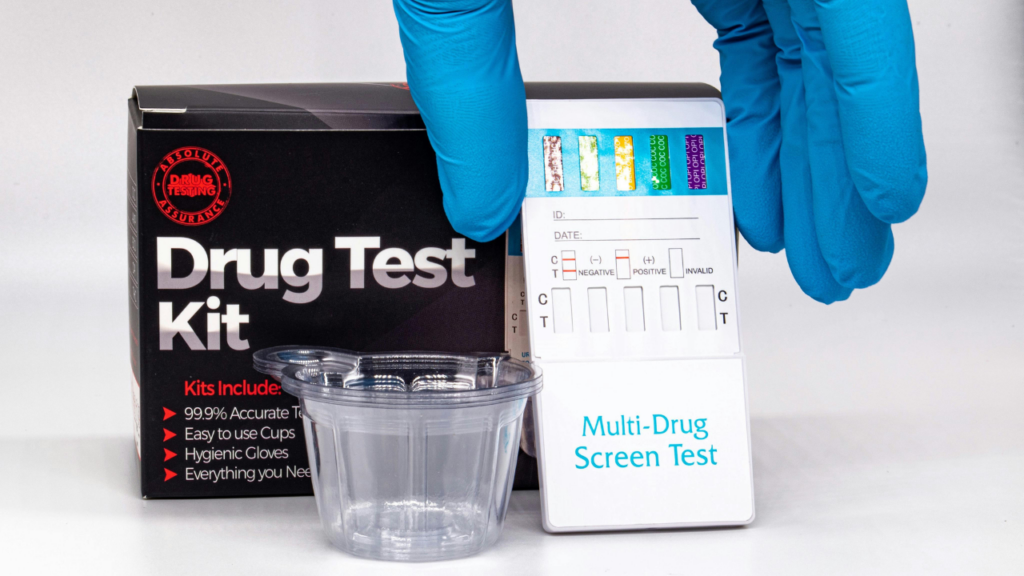
Urine drug screens (UDS) are the most common form of drug testing in residential treatment programs across Ohio and nationwide. They are relatively fast, inexpensive, and can detect a range of substances, including opioids, benzodiazepines, amphetamines, cocaine, THC, and alcohol metabolites. A standard immunoassay panel screens for multiple drug classes at once, and results are typically available within minutes to a few hours.
If an initial screen returns a positive result, many programs will send it for confirmatory testing using gas chromatography-mass spectrometry (GC-MS). This second step rules out false positives, which can happen. Certain medications, supplements, and even foods have been known to trigger inaccurate initial results. Confirmatory testing gives both you and the treatment team a clear picture.
Other Testing Methods
While urine screens are the standard, some residential programs also use oral fluid (saliva) testing, which detects recent use within a shorter window of 24 to 48 hours. Breathalyzers may be used specifically for alcohol monitoring, especially during the early days of admission. Hair follicle testing is less common in residential settings because it reflects a 90-day history rather than current use, though some programs use it during intake to build a fuller clinical picture.
Blood testing is rarely used for routine drug screening. It is more common during medical detox to monitor medication levels or liver function. Your clinical team will explain which methods they use and why.
How Often Will You Be Tested?
The honest answer is that it varies by program. Most Ohio residential treatment centers conduct drug testing at intake, and then on a random or semi-random schedule throughout your stay. “Random” means exactly that: you will not know when the next test is coming. That unpredictability is intentional, and it is the same approach used in most accredited programs nationwide.
Some programs test more frequently in the first week or two, when the risk of early relapse is highest. At programs with typical stays of 28 to 34 days, you might expect to be tested several times, though the exact number depends on your treatment plan and clinical judgment.
If you are wondering whether asking about the testing schedule will raise red flags, it will not. It is a reasonable question, and treatment staff hear it every day. Wanting to know what to expect when you are entering an unfamiliar environment is not suspicious. It is human.
What Happens If a Test Comes Back Positive?
This is the question that keeps people up at night, and it deserves a straight answer. A positive drug test during residential treatment is treated as clinical data. It is information your treatment team uses to understand where you are in the process and what adjustments may be needed. In credible programs, it is not treated as a disciplinary event.
A positive result might lead to a conversation with your counselor about what happened, a reassessment of your treatment plan, changes to your medication regimen, or increased monitoring. What it should not lead to, in a quality program, is shame, punishment, or automatic discharge.
That said, policies vary between programs, and it is worth asking directly about a facility’s protocol before you arrive. Accredited programs in Ohio that follow American Society of Addiction Medicine (ASAM) criteria generally view positive test results as opportunities to strengthen the care plan rather than as failures. If a facility treats a positive drug test as grounds for immediate dismissal without clinical review, that tells you something about how they approach treatment.
If questions like these are keeping you from reaching out, talking through what to expect can make a real difference. The admissions team at The Bluffs is available for a confidential conversation at (330) 919-9228.
Drug Testing at Ohio Residential Treatment Programs
At residential programs in Ohio, drug testing fits into a broader approach to individualized care. The state’s treatment providers are regulated by the Ohio Department of Mental Health and Addiction Services (OhioMHAS), and accredited facilities follow established clinical standards for how testing is conducted, documented, and used in care planning.
At The Bluffs in Sherrodsville, Ohio, drug testing is integrated into each person’s clinical care from admission through discharge. The 80-acre campus, set in the rolling hills of Tuscarawas County, was designed to give people physical and psychological distance from the environments that fueled their substance use. Drug testing here is not a gotcha. It is one piece of a treatment plan that includes evidence-based therapies like CBT, DBT, and EMDR, along with medically supervised detox and medication-assisted treatment when appropriate.
The Bluffs serves adults from across Ohio and the surrounding region, including the Cleveland, Columbus, Akron, and Pittsburgh metro areas. The facility holds accreditation from both The Joint Commission and CARF, and treatment plans are built around ASAM criteria. Every person who walks through the door gets a clinical assessment that accounts for their specific history, co-occurring mental health conditions, and the substances involved. Drug testing is one part of that ongoing assessment, not a standalone measure of success or failure.
Frequently Asked Questions
Do All Rehab Programs Require Drug Testing?
Most residential treatment programs include drug testing as a standard part of care. While policies differ, testing is considered a clinical best practice in structured treatment settings. Programs accredited by The Joint Commission, CARF, or those following ASAM criteria almost universally incorporate it.
Is Drug Testing in Rehab Confidential?
Yes. Federal regulations under 42 CFR Part 2 provide strong confidentiality protections for substance use treatment records, including drug test results. These protections are stricter than standard HIPAA rules. Your results cannot be shared with employers, family, or law enforcement without your written consent, except in very limited circumstances defined by federal law.
What Happens If You Fail a Drug Test While in Residential Treatment?
In quality programs, a positive test leads to a clinical reassessment, not automatic discharge. Your treatment team will work with you to understand what happened and adjust your care plan accordingly. The goal is to get you the right level of support.
How Soon After Arriving at Rehab Will I Be Drug Tested?
Most programs conduct a drug screen during the intake process, typically on the first day. This initial screen helps the medical team understand what substances are in your system and plan for any detox needs. It is standard procedure and nothing to worry about.
Can You Refuse a Drug Test in a Treatment Program?
Technically, yes. Treatment is voluntary for most people. However, refusing a drug test may have consequences depending on the program’s policies, and in some cases it could affect your continued enrollment. If you have concerns about testing, bring them up with your treatment team directly.
How Long Do Different Substances Show Up on a Drug Test?
Detection windows vary by substance and test type. On a standard urine screen, alcohol is typically detectable for 12 to 24 hours, most opioids and cocaine for two to four days, benzodiazepines for up to seven days (longer for some types), and THC anywhere from three days to several weeks depending on frequency of use.
Does Drug Testing Affect Your Treatment Plan or Length of Stay?
It can. Test results are part of the clinical information used to shape your care. A positive result might lead to adjustments in therapy focus, medication, or monitoring. In some cases, it could factor into decisions about whether a longer stay is appropriate. These are clinical decisions, made collaboratively with you.
Will My Employer or Family Be Told About My Drug Test Results?
No. Under 42 CFR Part 2, your drug test results and all substance use treatment records are federally protected. Information cannot be released to employers, family, or anyone else without your explicit written authorization.
Take the Next Step
If you or someone you care about is considering residential treatment in Ohio, The Bluffs can help you understand what the process looks like from day one. Call (330) 919-9228 to speak with the admissions team, or verify your insurance to learn about coverage options. You can also visit the contact page to reach out online.
If you or someone you know is in crisis, call or text 988 to reach the 988 Suicide and Crisis Lifeline. For emergencies, call 911.
Learn More
- SAMHSA National Helpline (1-800-662-4357): Free, confidential treatment referrals available 24/7
- American Society of Addiction Medicine (ASAM) Clinical Guidelines
- Ohio Department of Mental Health and Addiction Services (OhioMHAS)
- FindTreatment.gov: SAMHSA’s treatment locator tool
- 988 Suicide and Crisis Lifeline
- Crisis Text Line: Text HOME to 741741