




The use of meth is a significant public health challenge in Ohio, with the state often reporting higher rates of overdose deaths compared to the national average. Beyond the physical toll of the drug, one of the most severe psychiatric complications is meth-induced psychosis. This condition can be terrifying for both the individual and their family, often presenting as a complete break from reality.
The Bluffs in Ohio provides comprehensive addiction treatment for those struggling with the mental health consequences of methamphetamine use. Our private facility in Sherrodsville, Ohio, offers the clinical oversight necessary to manage psychotic symptoms while simultaneously treating the underlying addiction. Understanding the signs, risks, and treatment options for meth psychosis is the first step toward regaining control of your life.
What Is Meth Psychosis?
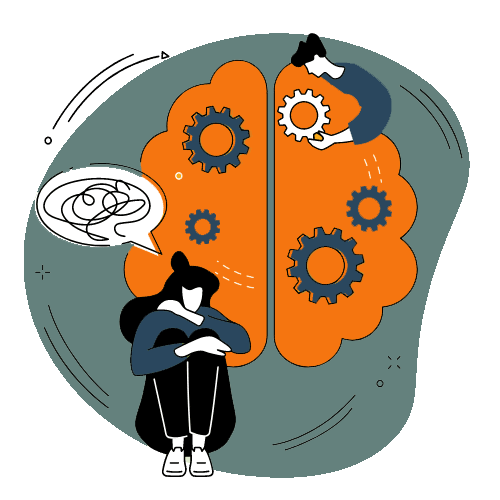
Methamphetamine-induced psychosis is a mental health condition characterized by a loss of contact with reality triggered by the use of methamphetamine. While the drug initially produces intense euphoria and energy, chronic use or high doses can overwhelm the brain’s chemical systems. This often results in psychiatric symptoms that closely resemble schizophrenia.
Psychosis can occur during active use, during the “binge” phase when a user goes days without sleep, or even during withdrawal. For some, these symptoms are transient and fade as the drug leaves the system. For others, particularly chronic users in Ohio, the symptoms can persist for weeks or months, requiring specialized co-occurring disorder treatment to address both the substance use and the psychiatric state.

Signs and Symptoms of Meth-Induced Psychosis
Identifying meth psychosis early can prevent dangerous escalations. The symptoms are often divided into hallucinations, delusions, and behavioral changes. Because methamphetamine is a powerful stimulant, these symptoms are frequently accompanied by high levels of physical arousal and agitation.
Common Hallucinations
Hallucinations involve perceiving things that are not actually present. In the context of meth use, these are often intense and frightening:
- Visual Hallucinations: Seeing shadows, people, or objects that do not exist.
- Auditory Hallucinations: Hearing voices that may be critical, commanding, or threatening.
- Tactile Hallucinations: Known as “meth mites” or “crank bugs,” this is the sensation of insects crawling under or on the skin, leading to obsessive picking and sores.
Delusions and Paranoia
Delusions are fixed, false beliefs that remain even when presented with evidence to the contrary. Paranoid delusions are the most common form in meth users:
- Believing the police, government agencies, or neighbors are spying on them.
- Feeling as though they are being followed or that a conspiracy is afoot.
- Intense distrust of family members or medical professionals.
Behavioral Indicators
The physical and behavioral signs of a psychotic episode can include:
- Rapid, incessant speech that jumps between unrelated topics.
- Intense agitation, pacing, or an inability to stay still.
- Unpredictable aggression or hostility toward others.
- Extreme insomnia, often going multiple nights without any rest.
The Dangers of Untreated Meth Psychosis
Meth psychosis is a medical and psychiatric emergency. The distorted perception of reality puts the individual at high risk for accidents, self-harm, and violent behavior. In Ohio, where methamphetamine purity can vary, the risk of a “bad batch” or a high-potency dose causing an acute psychotic break is a constant threat.
Beyond the immediate safety concerns, chronic psychosis causes long-term damage to the brain. Methamphetamine is neurotoxic, meaning it physically damages the neurons and the structures responsible for emotion and memory. According to the National Institute on Alcohol Abuse and Alcoholism (NIAAA), long-term stimulant abuse can lead to lasting cognitive deficits that make it harder to process information and regulate moods even after quitting.
Clinical Treatment and Withdrawal Management for Meth Psychosis
Treating meth psychosis requires a two-pronged approach: stabilizing the psychiatric symptoms and managing the physical withdrawal from the drug. At The Bluffs, this process often begins with a medically supervised detox.
Stabilization and Medication
While there are no FDA-approved medications specifically for methamphetamine addiction, certain medications can help manage the symptoms of psychosis. Physicians may use antipsychotics or sedatives to calm the central nervous system and reduce hallucinations. This allows the individual to rest and begin the transition into a more rational state of mind.
Evidence-Based Therapies
Once a person is stabilized, behavioral therapy becomes the cornerstone of treatment. Because the brain’s reward system is heavily damaged by meth use, traditional talk therapy is often combined with specialized programs. Our inpatient treatment program utilizes Cognitive Behavioral Therapy (CBT) and Dialectical Behavior Therapy (DBT) to help patients recognize triggers and develop new ways to manage stress without the drug.
Length of Care and the Recovery Continuum
The timeline for recovering from meth psychosis varies. For many, acute symptoms subside within a few days of stopping use. However, research indicates that about 10% of individuals may continue to experience psychotic symptoms for six months or longer.
A successful recovery plan typically involves a transition through different levels of care:
- Detoxification: Five to ten days of medical monitoring.
- Inpatient Residential: Thirty to ninety days of intensive therapy in a structured environment.
- Long-Term Treatment: For those with persistent psychosis or severe addiction, long-term addiction treatment programs provide the extended support needed to rewire the brain’s dopamine pathways.
- Outpatient Care: Ongoing therapy and support groups to maintain sobriety in the community.
Insurance Coverage and Costs in Ohio
The cost of treating meth psychosis can be managed through various insurance options. Most private health insurance plans cover mental health and substance use services as essential health benefits. The Bluffs is committed to making care accessible and offers a secure insurance verification tool to help you understand your coverage.
For residents using state-funded resources, the Ohio Department of Medicaid provides coverage for many addiction treatment services. Ohio laws and the federal parity act ensure that insurance providers cannot place more restrictive limits on mental health care than they do on physical health care.
Aftercare and Ohio Community Resources
Discharge planning is a vital part of the recovery process at The Bluffs. We connect our patients with local resources across Ohio to ensure they have support once they leave our campus.
Local Support and Crisis Lines
- Ohio Department of Mental Health and Addiction Services (OhioMHAS): Visit mha.ohio.gov for state-wide treatment locators and resources.
- Ohio Crisis Text Line: Text “4HOPE” to 741741 to connect with a trained crisis counselor.
- ADAMH Boards: Every county in Ohio has a Board of Alcohol, Drug Addiction, and Mental Health Services that can provide local referrals.
- SMART Recovery and NA: These peer-led groups offer meetings in most Ohio cities, including Columbus, Akron, and Cleveland.
Quality Checklist: Selecting a Treatment Center
When choosing a program for meth psychosis, look for these markers of high-quality care:
- Dual Diagnosis Capability: The facility must be equipped to treat both mental health and addiction simultaneously.
- Licensure and Accreditation: Ensure the center is licensed by the State of Ohio and accredited by organizations like CARF or The Joint Commission.
- Medical Supervision: Because meth withdrawal and psychosis can be unpredictable, 24-hour medical staffing is essential.
- Trauma-Informed Care: Many people with meth addiction have histories of trauma that must be addressed for lasting recovery.
Why Choose The Bluffs
The Bluffs offers a serene, 80-acre campus in Sherrodsville, Ohio, providing a peaceful escape from the environments where drug use occurred. Our specialized dual-diagnosis approach is specifically designed to handle the complexities of meth-induced psychosis.
We offer a high staff-to-patient ratio, ensuring that every individual receives the personalized attention they need. From our medically supervised detox to our inpatient programs, we provide a safe harbor for those looking to rebuild their lives and heal their minds.
Our Location
The Bluffs is located in Carroll County, a short drive from several major Ohio cities:
The Bluffs
2650 Lodge Rd SW
Sherrodsville, OH 44675
Traveling a short distance for treatment can be beneficial, as it physically separates the individual from local triggers and high-risk social circles. Our setting allows for total immersion in the healing process.
How To Start Your Journey
If you or someone you love is experiencing the frightening symptoms of meth psychosis, do not wait to seek help. Our admissions team is available 24/7 to guide you through the process.
- Call Our Admissions Team: Reach us at 330-919-9228.
- Verify Your Benefits: Use our confidential insurance form.
- Inquire Online: Contact us through our secure messaging portal.
If you are in immediate danger or experiencing a life-threatening emergency, call 911 immediately. For a mental health crisis, you can also call or text the 988 Suicide & Crisis Lifeline at 988.